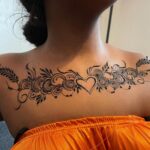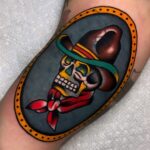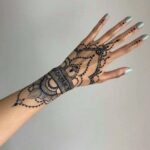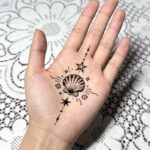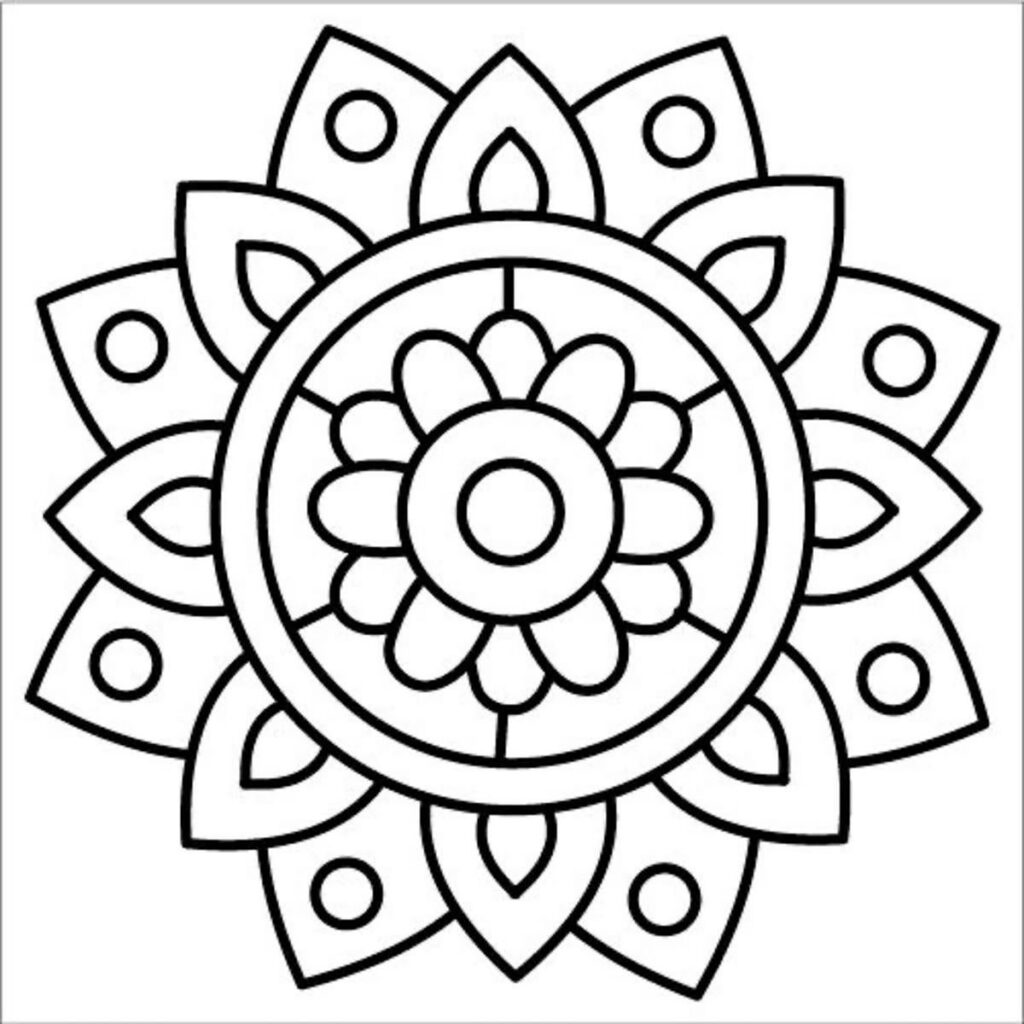
Mandala stencils start with minimalist outlines that suit a wrist or ankle, move through geometric and floral mid-scale pieces, and top out with full-back designs that need room to breathe.
Bold lines and solid fill hold up longer than fine dotwork, but you also need to match your stencil’s detail level to the placement: intricate petals transfer cleanly on flat skin like the forearm or back, while curved spots blur fine work faster.
1. Minimalist Mandala Tattoo Design
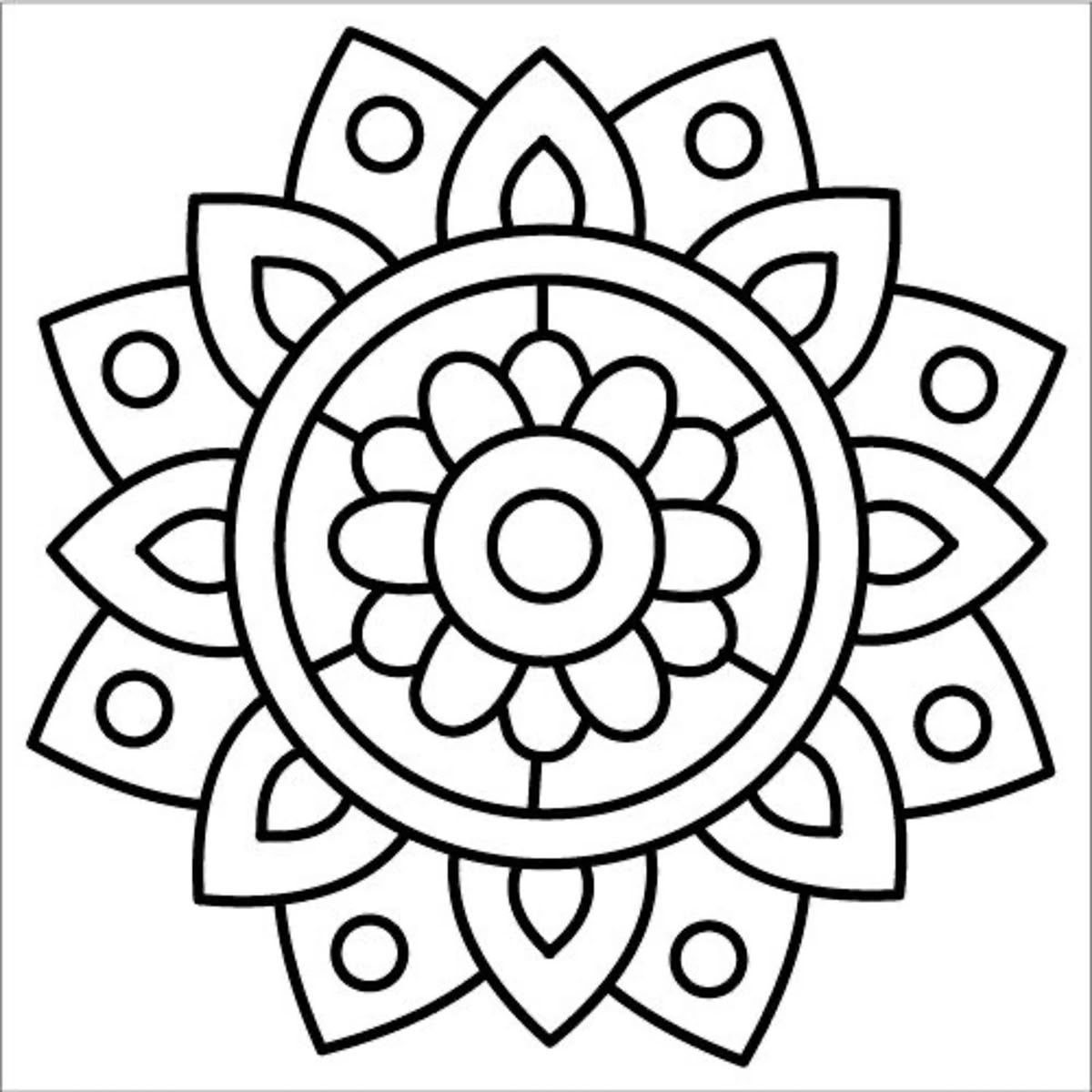
A minimalist mandala strips the design down to clean lines and open space, with just enough detail to hold the pattern together.
The stencil shows symmetry without clutter, which makes it easier for an artist to place accurately and faster to tattoo.
This approach works well if you want a mandala that reads clearly from a distance or fits a smaller spot like an inner wrist or ankle.
The simpler the stencil, the less room for error during transfer, and healing tends to go smoothly when there’s more skin between the lines.
2. Bolder Mandala Tattoo Design
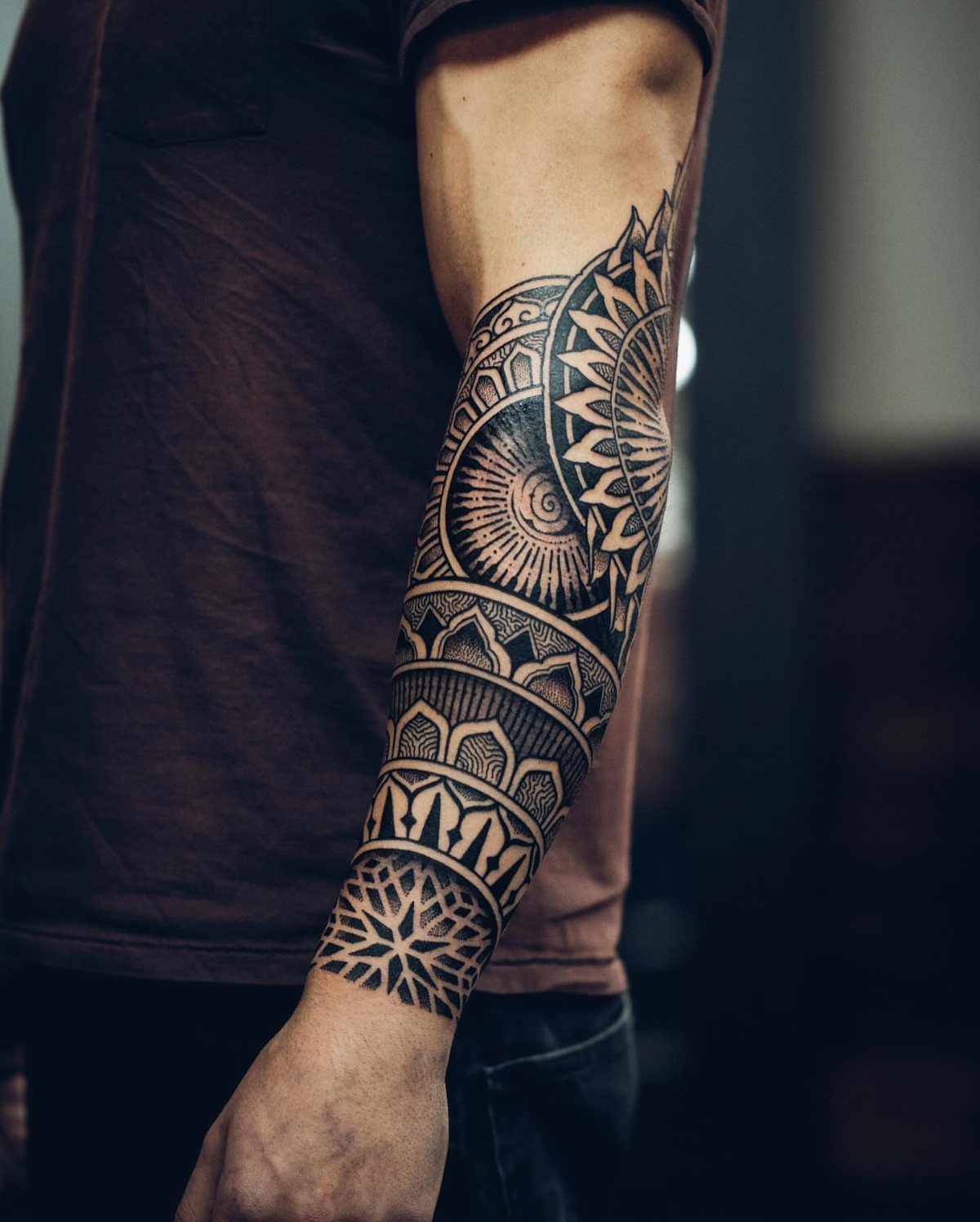
A bolder mandala stencil uses thicker lines and solid fill to create high contrast, the kind that stays sharp even years later.
The design relies on weight rather than fine detail, so the pattern holds up through sun exposure and the natural softening that happens as ink settles.
Forearms and calves take bold designs well because the muscle underneath keeps the skin taut.
The stencil transfers cleanly when the lines are thick, and most artists can work faster with fewer passes, which cuts down on session time and irritation.
3. Geometric Mandala Tattoo
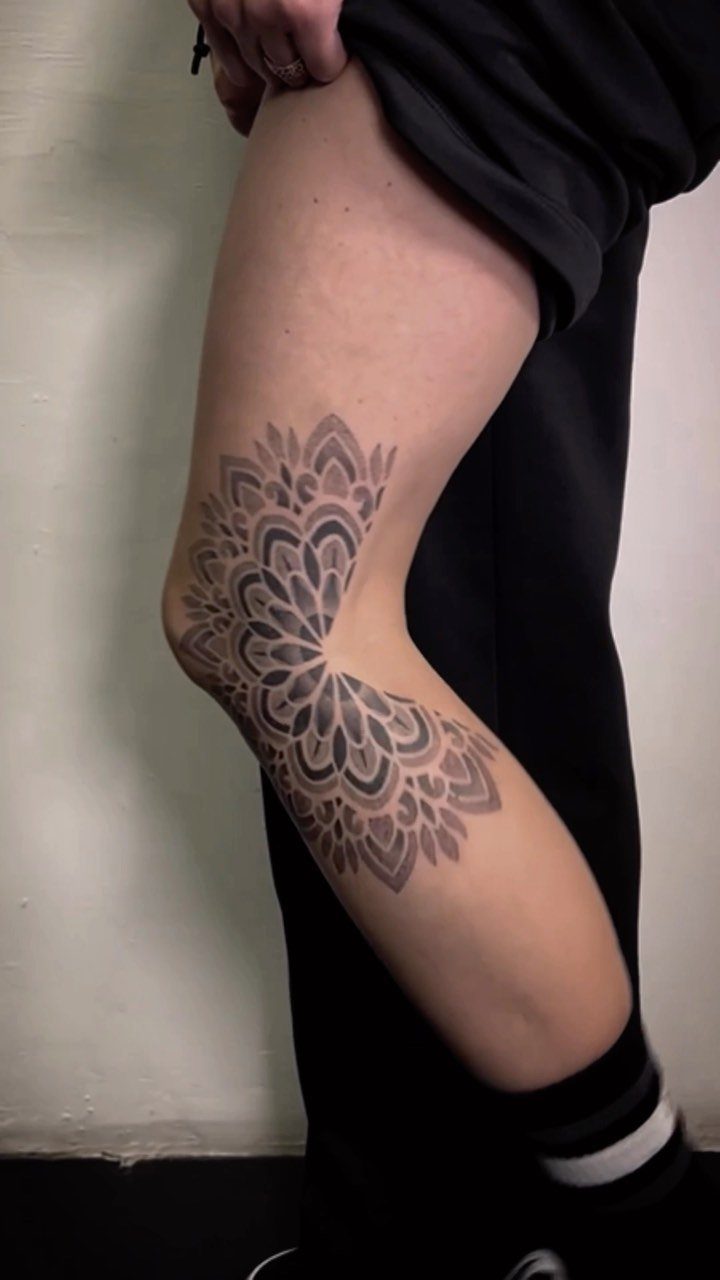
A geometric mandala builds the pattern from straight edges, triangles and repeating shapes instead of curves alone.
The stencil locks into a grid, and that structure makes placement over joints like the knee more forgiving since the symmetry can flex with movement.
Centering a mandala on the knee takes careful measurement, but the geometry helps the artist line it up with the body’s natural axis.
Grey ink softens the look while keeping the pattern readable, and the larger scale means the design won’t get lost as the skin shifts over time.
4. Floral Mandala Tattoo
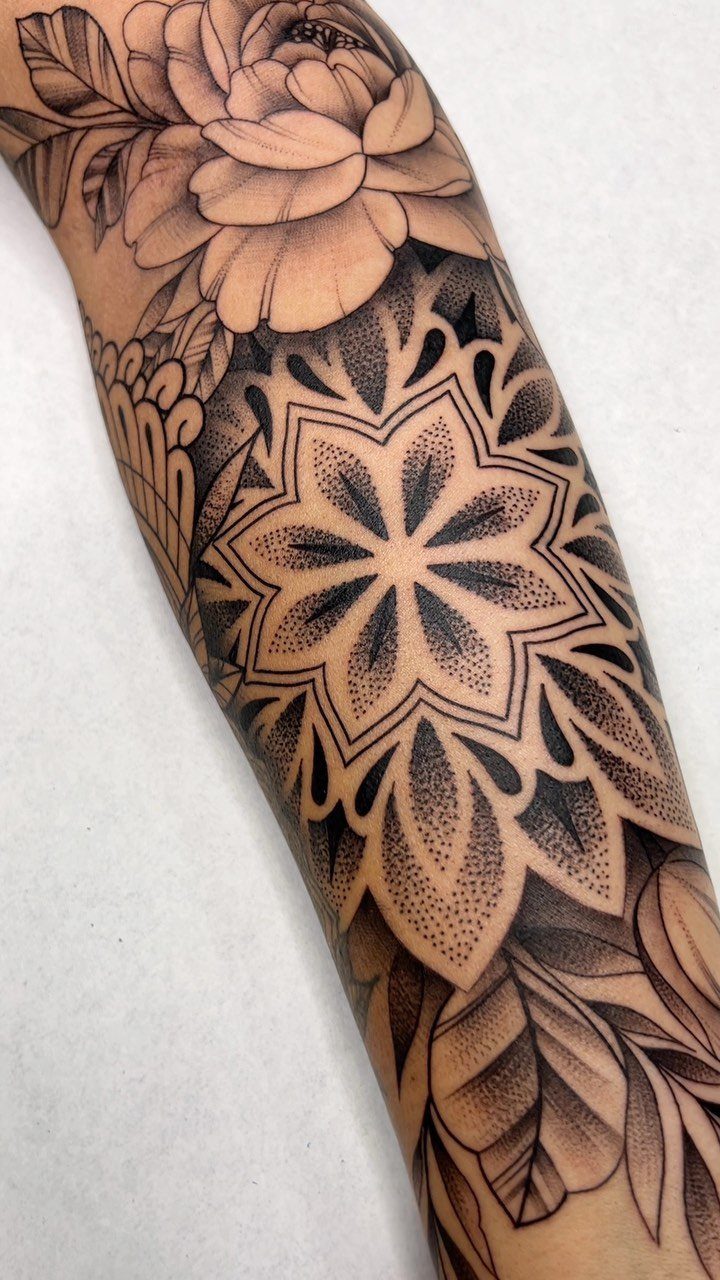
A floral mandala folds petals, leaves or full blooms into the circular framework, so the design feels less abstract and ties to nature. A peony paired with dotwork and geometric borders layers textures that give the tattoo depth without color.
Botanical elements fill space gracefully, which makes this approach solid for covering a wider area like the upper arm or thigh.
The mix of organic and structured lines gives an artist room to adjust the stencil to your muscle shape, and black and grey shading can push certain flowers forward while the mandala holds the background.
5. Softer Mandala Tattoo Design
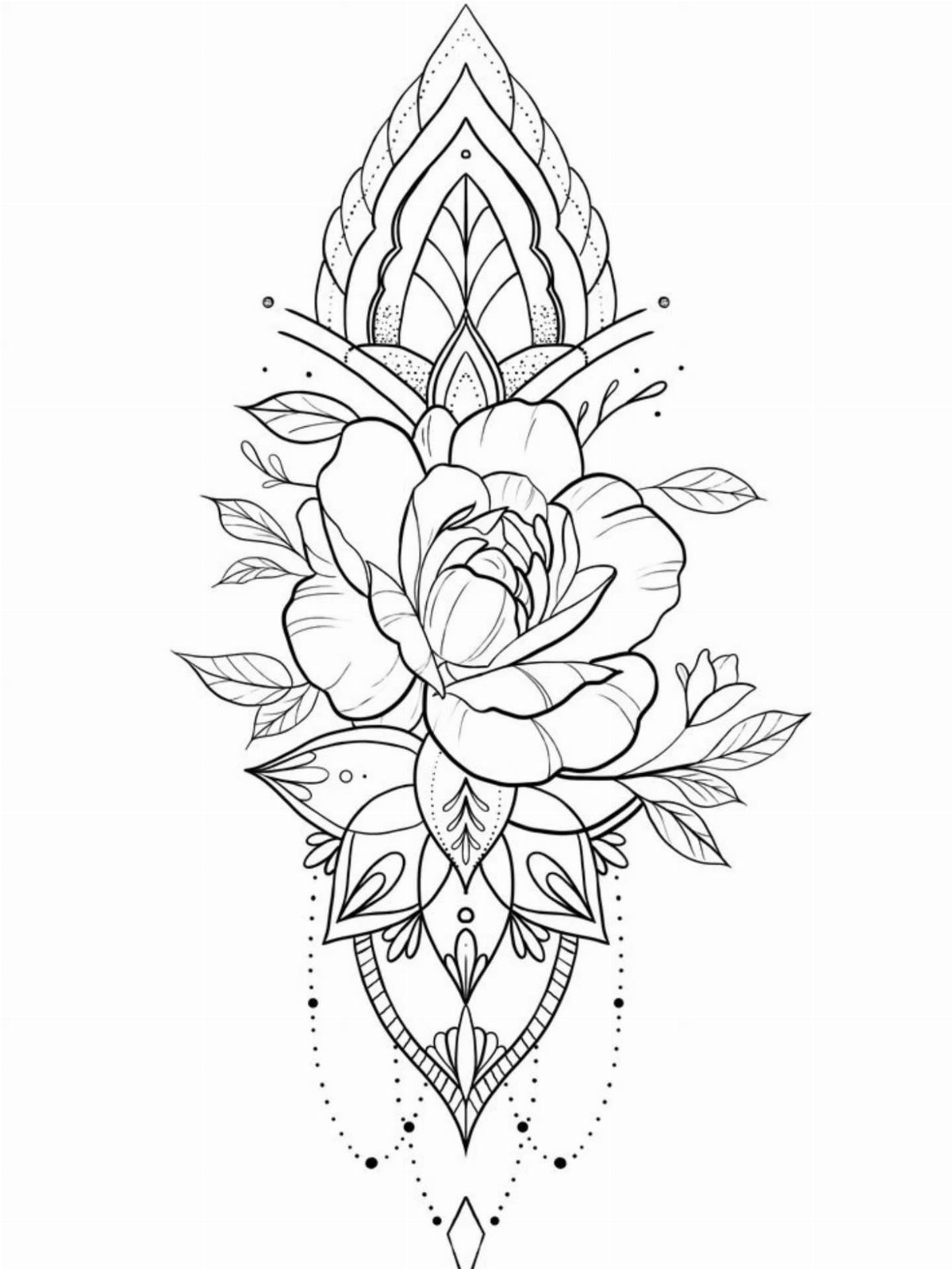
A softer mandala stencil leans into delicate linework and organic shapes like roses or vines, trading rigid symmetry for a gentler feel. Centering a rose inside the mandala structure keeps the overall look balanced but reads more romantic than formal.
Fine lines require steady hands and good skin tension, so choosing a flatter area like the forearm or upper back helps the artist hold precision.
This style suits placements you’ll see often, since the softer details reward close attention, and it pairs well with other floral pieces if you’re building a sleeve or larger composition.
6. Mandala Hand Tattoo
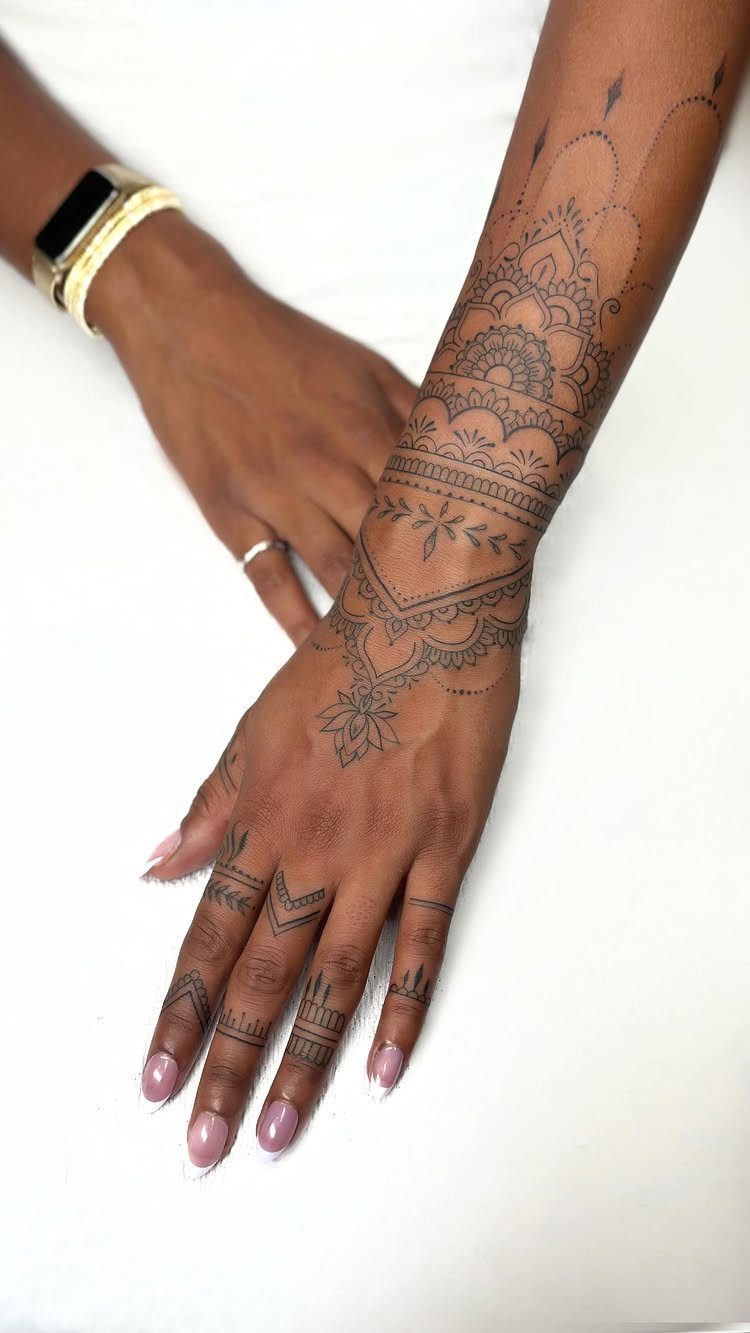
A mandala on the hand follows a placement tradition that stretches back to henna ceremonies, where intricate patterns marked celebrations and transitions.
The stencil wraps from the fingers across the knuckles and down the wrist, adapting the circular design to the hand’s contours.
Hand tattoos fade faster than most placements because the skin sheds constantly and sees more friction, so expect touch-ups every few years.
The visibility is part of the appeal, but it also limits career flexibility in some fields. Black ink holds better than color here, and a detailed stencil helps the artist work around the uneven surface between bones and tendons.
7. Mandala Tattoo on the Back
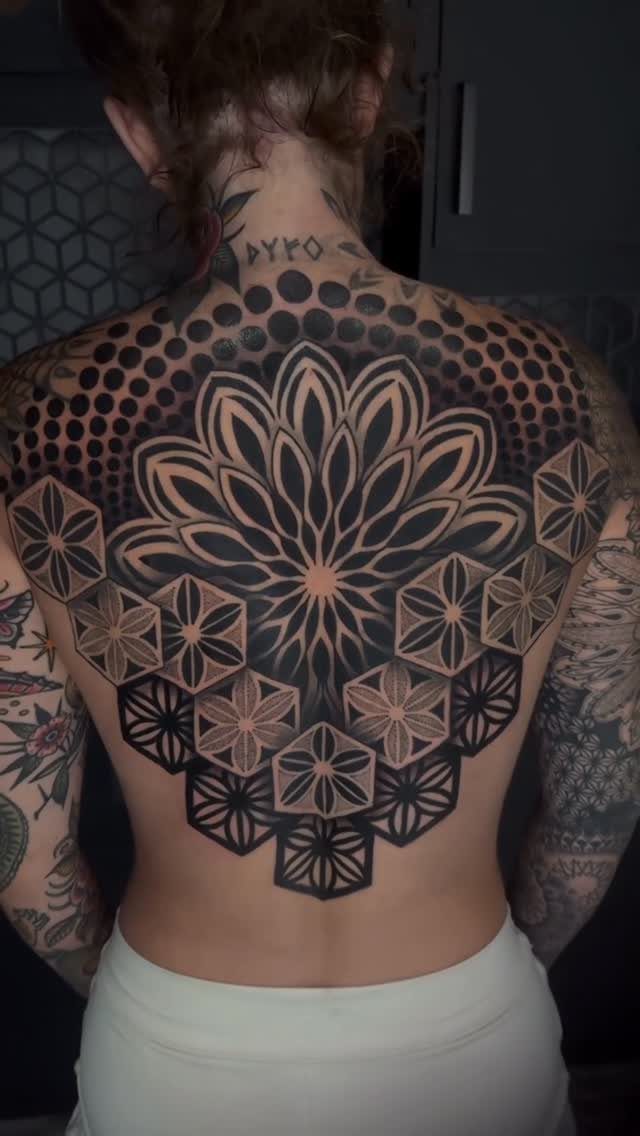
A mandala on the back gives the artist room to scale the design large and keep every layer of the pattern visible.
The upper and middle back provide a flat, wide canvas that doesn’t shift much with movement, so geometric precision holds over time.
Sitting for a back piece takes longer than smaller placements because the area is broad, and some spots near the spine are more sensitive than others.
Black and grey shading adds dimension without the upkeep color requires, and the placement stays private unless you choose to show it.
8. Transferring Mandala Tattoo Stencil Onto Skin
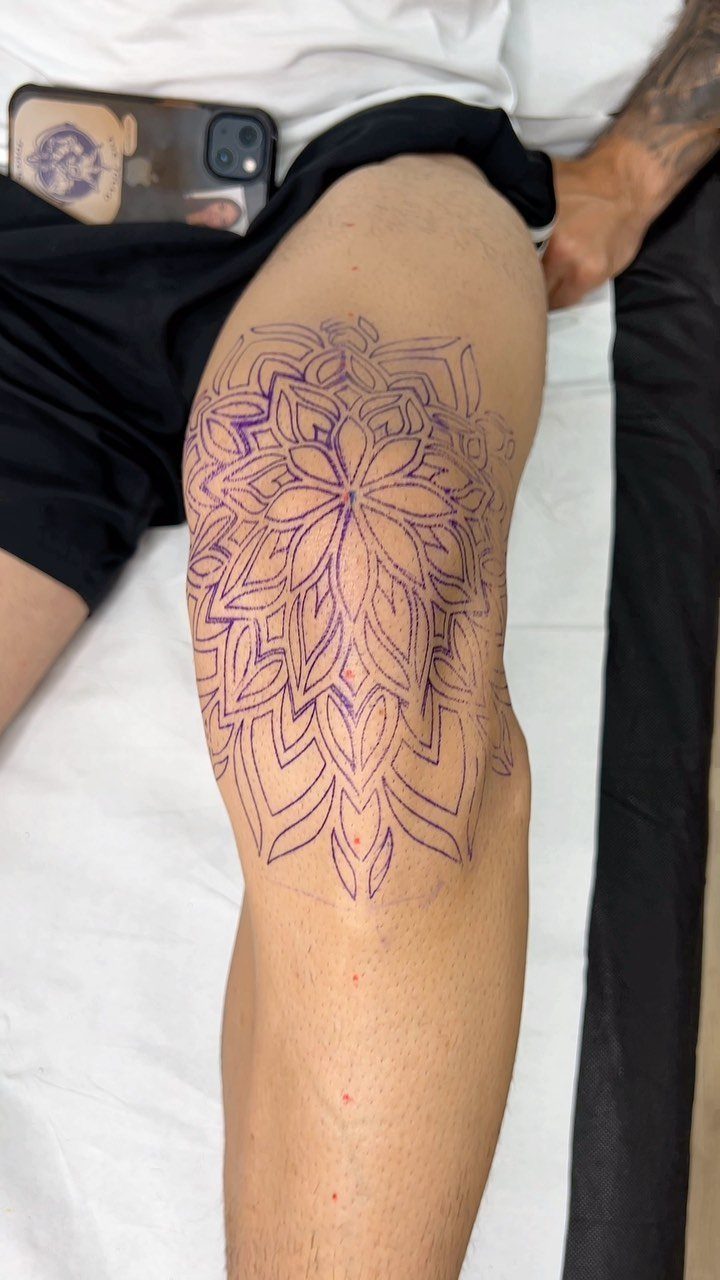
Transferring the stencil puts the design on your skin so the artist can follow the lines exactly.
The stencil is printed on transfer paper, pressed onto clean skin with pressure, and peels away to leave a purple or blue outline that lasts through the session.
Placement over the knee requires careful positioning because the skin moves when you bend your leg, so most artists apply the stencil with your leg slightly bent to match how the joint sits naturally.
The outline washes off after the tattoo is finished, but it’s the only guide the artist has, so getting it centered right matters.
Frequently Asked Questions
How do you put a tattoo stencil on someone?
The stencil is printed on transfer paper, pressed firmly onto clean skin, then peeled away to leave a temporary outline the artist follows during the session.
For placement over a joint like the knee, the skin is positioned slightly bent so the design sits naturally when the leg moves.
What do mandala tattoos symbolize?
Mandala tattoos symbolize balance, wholeness, spiritual journey, and transformation. The circular, geometric design roots back to ancient spiritual traditions and represents the infinite through its repeating patterns.
Do tattoo artists use stencils?
Yes, artists use stencils to transfer the design onto skin with precision before tattooing. The stencil leaves a temporary outline that acts as the only guide during the session, so accurate placement matters.