A blackout cover-up can span a single shoulder panel or a full sleeve, negative space alone or white ink layered over solid black, depending on how much old ink you need to erase and what design you want to build.
1. Negative Space Blackout Cover Up Tattoo
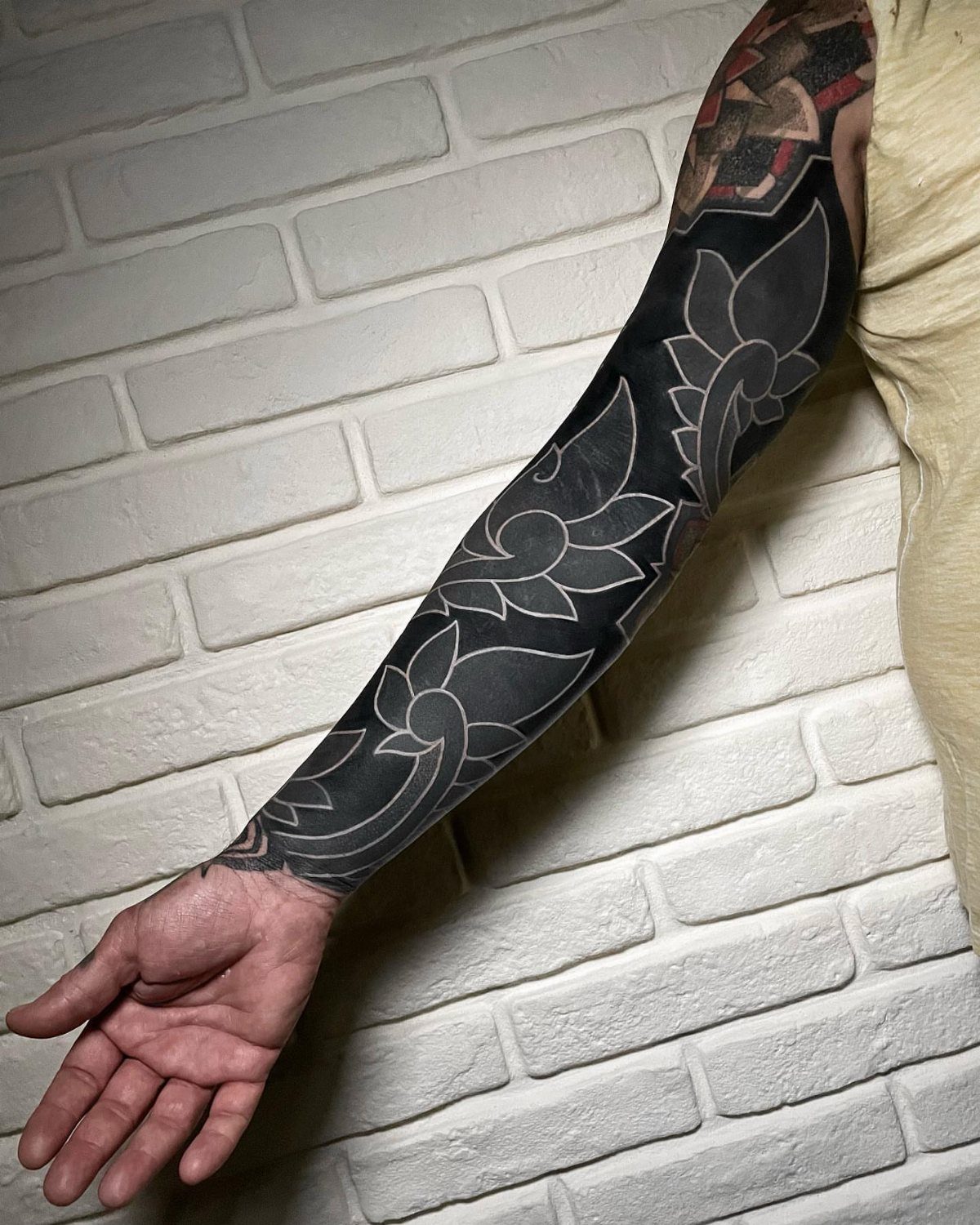
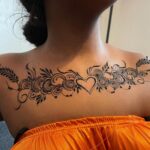
Solid black ink blankets the old tattoo completely, while the artist leaves deliberate gaps in the shape of leaves, petals or vines, creating skin-tone design against black.
The contrast reads sharp because the black stays dense and the shapes stay simple.
This approach works best when you want a cover that still feels open. Too much fine detail in the negative space can blur as the tattoo ages, so keeping the floral forms bold gives you clean lines that hold.
Areas where skin stretches less keep the edges crisp longer than spots with more movement.
2. Geometric Design Blackout Cover Up Tattoo
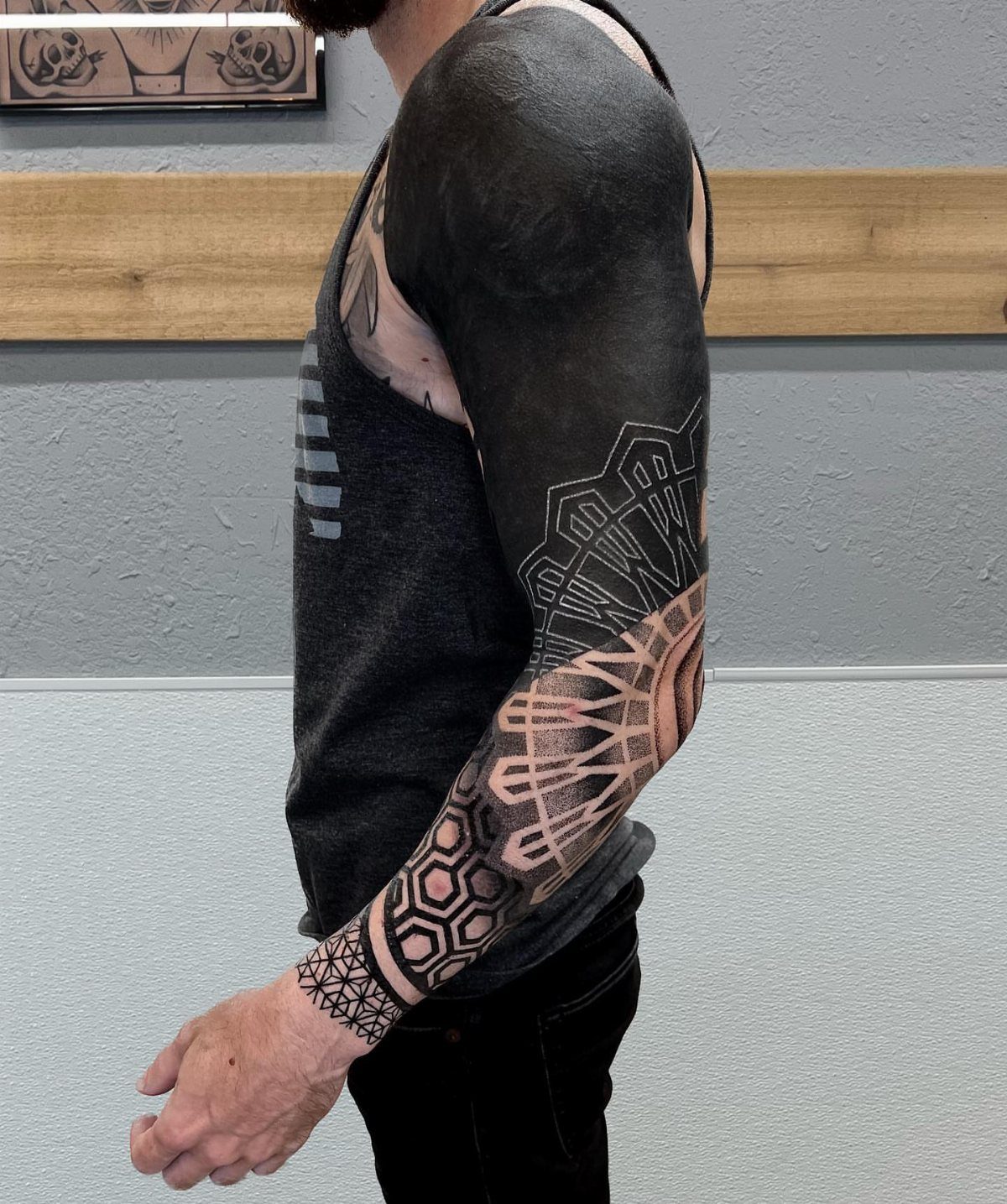
White ink laid over solid black creates the geometric pattern after the blackout is healed. The artist blacks out the entire area first, waits for it to settle, then returns to add the white lines in hexagons, lattices or mandalas.
White ink on black reads brightest in the first year.
Over time it softens to a lighter gray, and on deeper skin tones it may fade faster or take on a warmer cast. Touch-ups every few years keep the pattern crisp if you want that high contrast to last.
The geometry itself can be as intricate as you like, the black background hides whatever was underneath.
3. Floral Blackout Sleeve Tattoo
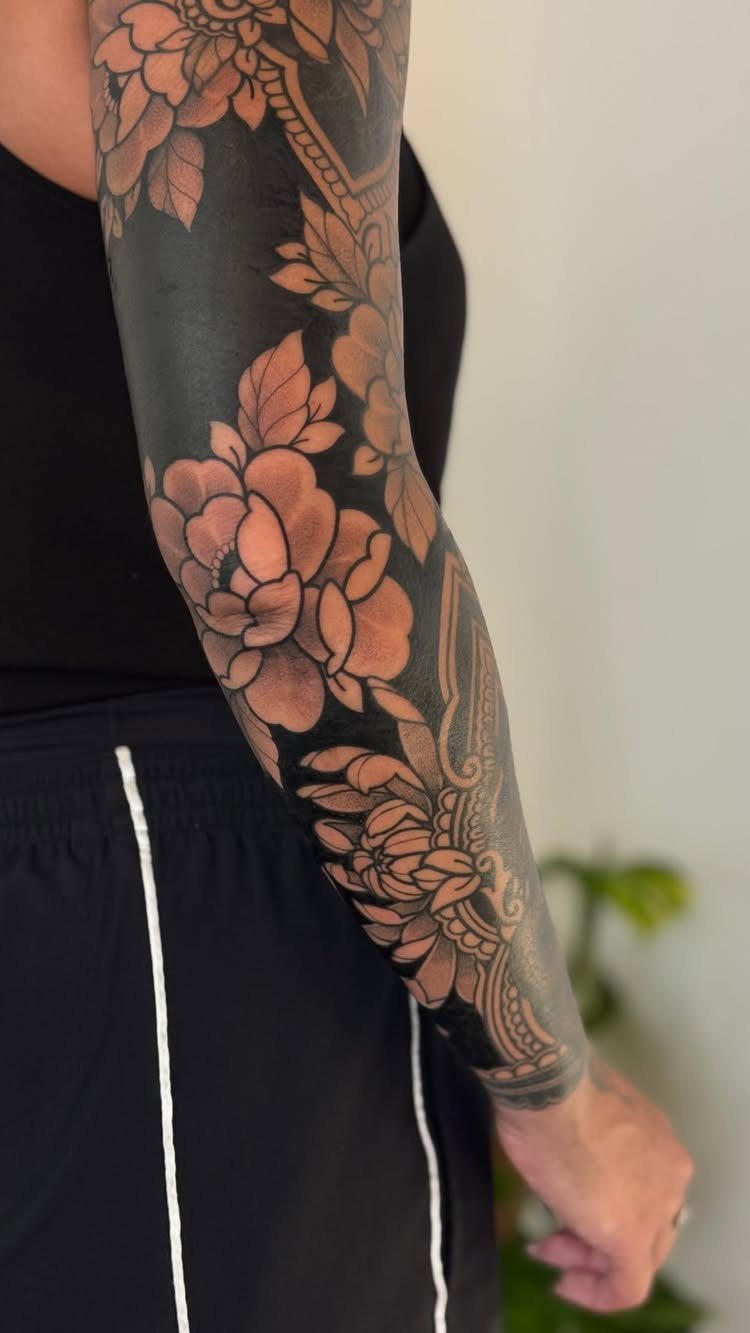
Large flowers in black linework and shading sit next to solid blackout panels, the 2 elements alternating down the arm. The blackout sections erase old ink completely, and the floral pieces bring balance so the sleeve doesn’t feel too heavy.
This layout lets you cover problem areas with solid black while keeping the rest of the arm open for detail work. The flowers can be sized and spaced to fit around the sections that need full coverage.
Healing time stretches longer than a traditional sleeve because the solid black takes more passes and more ink saturation. Budget for 2 or 3 sessions to finish the fill and the florals together.
4. Full Solid Blackout Sleeve
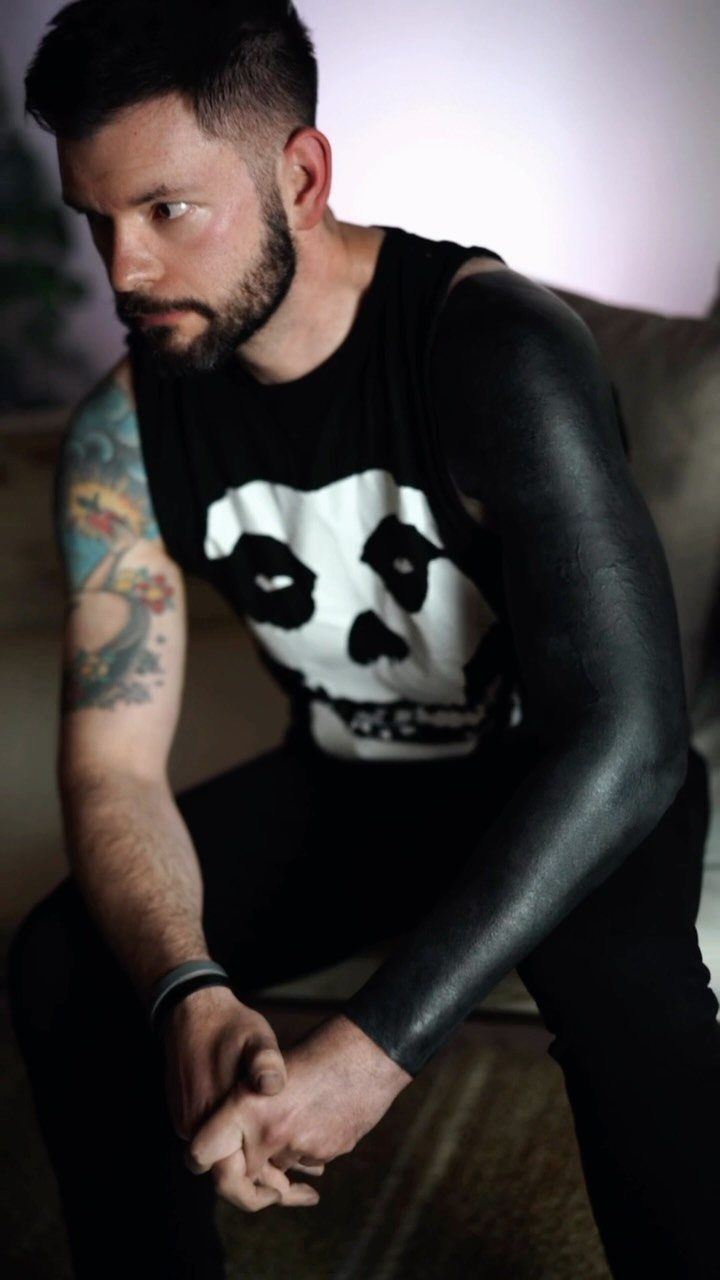
The entire arm is filled with solid black ink from shoulder to wrist, no pattern, no breaks. This is the most direct way to obliterate any old tattoo, and it delivers total coverage in one uniform field.
Expect multiple sessions.
Saturating that much skin evenly takes time, and most artists work in sections to avoid overworking the skin in a single sitting. Healing between sessions is standard.
A full blackout reads bold and commits you to that look.
Adding white or colored ink on top later is possible, but removing or lightening solid black is difficult and expensive, so this choice suits someone ready for a permanent, high-impact finish.
5. White Ink Over Blackout Tattoo
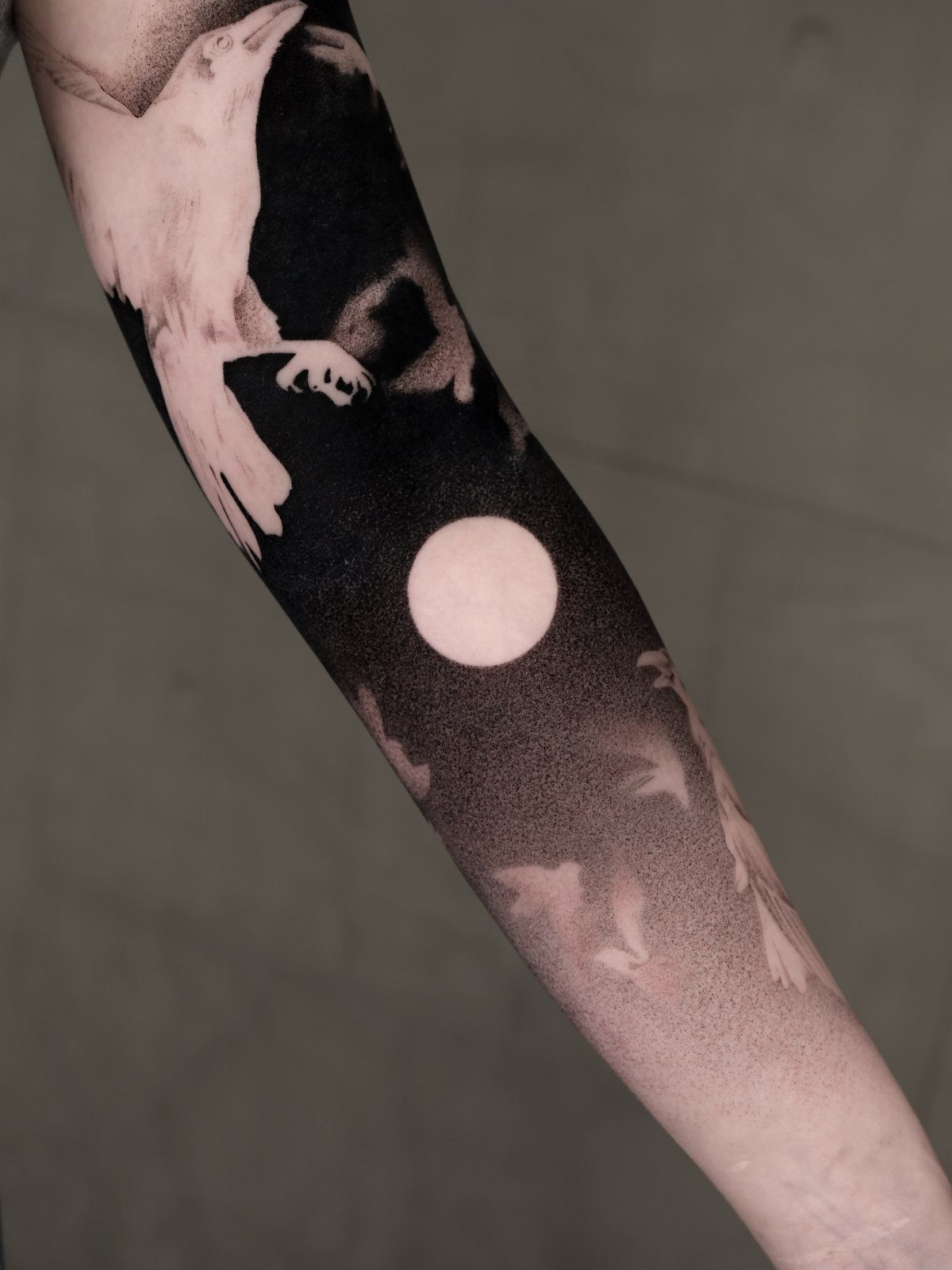
A solid black background covers the old tattoo completely, then white ink is applied over it once the black has healed.
White on black fades more noticeably than black on skin, and the brightness drops over a few years. Touch-ups bring it back, but plan for them if you want the image to stay vivid.
Contrast is highest on lighter skin. On darker tones, white ink may appear cream or yellowish rather than pure white, and the raven’s detail could soften faster.
6. Decorative Swirling Edge Blackout Tattoo
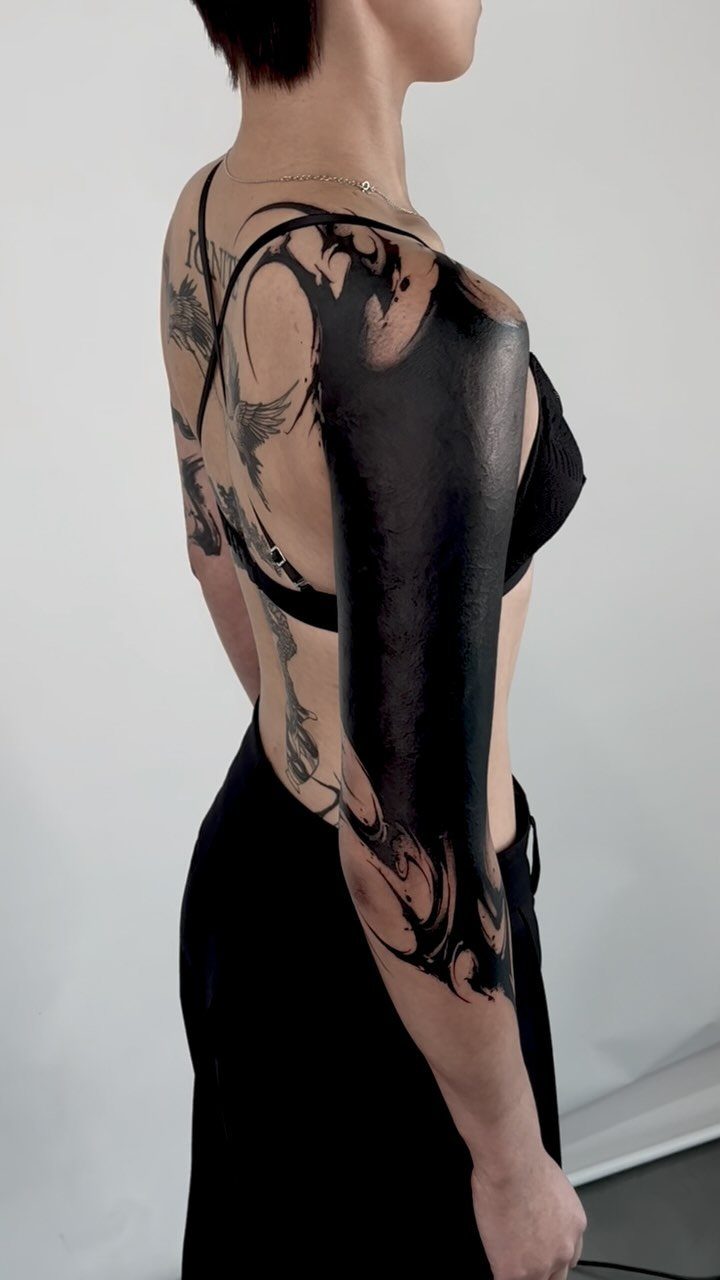
Solid black fills the shoulder and upper arm in one unbroken field, and ornamental swirls extend outward from the edge in black linework. The swirls soften the border and give the blackout a finished frame instead of a hard cutoff.
Full coverage with a softer, less abrupt edge works well for people who don’t love a hard stop. The decorative edge also lets you extend the design later if you decide to add more ink down the arm.
Placement on the shoulder and upper arm keeps the solid black visible but easy to cover with a sleeve when needed. The swirls can be drawn freehand or stenciled, depending on how uniform the border needs to be.
7. Character Portrait Over Blackout Background
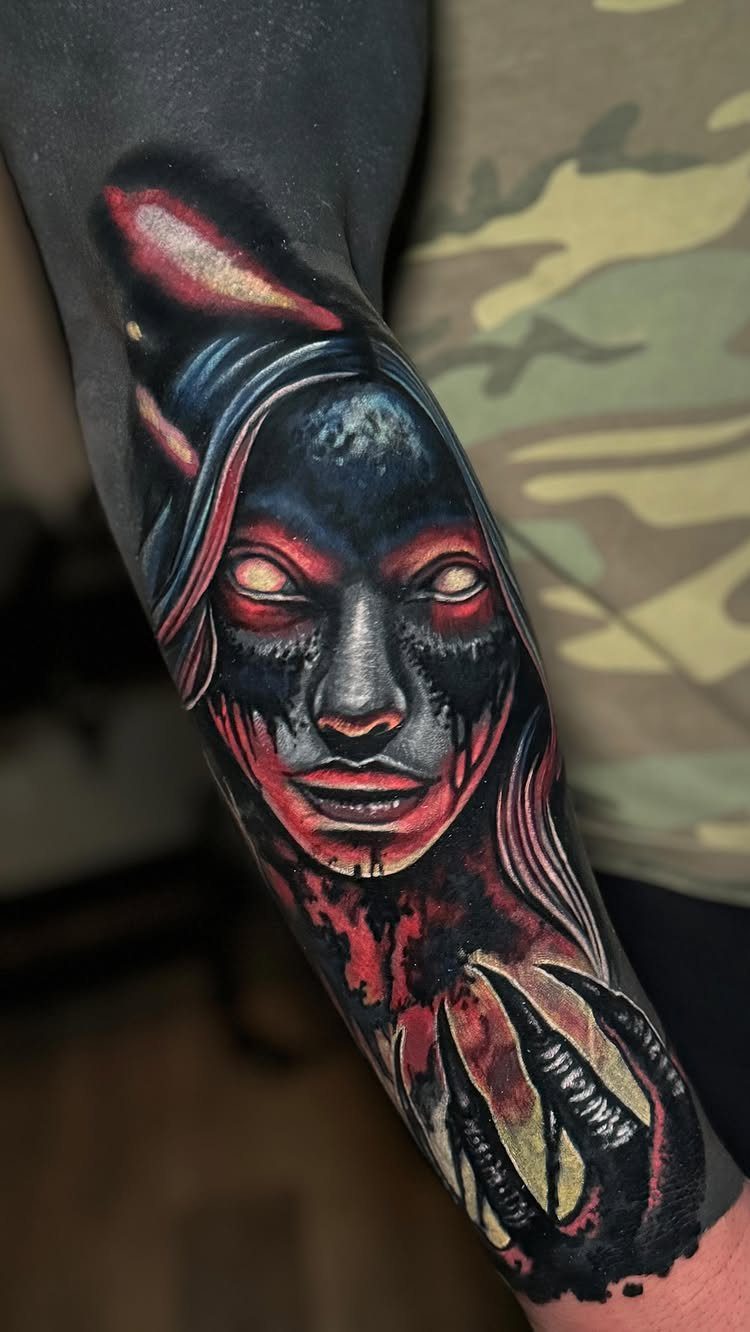
A detailed portrait of a character or creature fills the center of the composition while solid black erases the edges and any old ink underneath. The face becomes the focal point, and the blackout acts as both cover and frame.
Yellow or white eyes, drawn with high contrast ink, pull attention even when the rest of the portrait sits in darker tones.
The artist builds the face with shading and linework first, then fills around it to whatever border the cover demands.
This approach suits large unwanted pieces that spread across the forearm or upper arm. The portrait can be scaled to fit the space the blackout needs to cover, and the black background hides irregular edges left by the old tattoo.
Importance of Artist Experience
Blackout cover-ups ask more of an artist than standard work.
Saturating skin evenly with solid black takes control, and any streak or gap will show. An artist who has done this before knows how to layer the ink so it heals uniform, not patchy.
Their portfolio tells you what they can handle. Look for finished blackout pieces, not just the day it was done.
Healed photos show whether the black stayed dense or faded unevenly. If they have cover-up work in there, check how well the old tattoo disappeared.
Skin tone affects how black ink settles and how white or color reads on top of it.
An experienced artist adjusts saturation and layering for your skin rather than using the same approach on everyone. That difference shows up most in how long the piece holds its contrast.
Collaboration with Tattoo Artist
Your artist can see what the old tattoo will let them do.
Bring reference images, but expect them to adjust the design so it actually covers. A pattern that looks clean in a photo may not hide the shape or shading underneath, and they will tell you what needs to change.
Placement of the blackout sections usually follows where the old ink sits.
If the original tattoo has heavy shading in one spot, that area may need full blackout while the rest can stay open for detail. Your artist maps that out before the first session.
Skin type and how the old ink has aged both affect the approach.
Some colors lift more easily under black than others, and scarring from the original tattoo may need extra passes. Talking through those details early prevents surprises halfway through the job.
The primary factors that determine what all is involved with dark tattoo cover up are how saturated the design is, the size of the area you want to cover, and how flexible you are about the outcome.
— Removery
Multiple Sessions May Be Needed
Solid black rarely goes down in one pass. Each session builds the saturation, and the ink settles between visits.
If you are adding white or color over the blackout, those layers come after the black has fully healed.
Rushing it risks muddying the contrast or pushing the white ink too deep to show. That wait gives the skin time to heal completely before the next layer goes in.
Plan for them as part of the process, not as a repair.
Frequently Asked Questions
Do blackout tattoos cover up tattoos?
Yes, solid black ink covers old tattoos completely by saturating the area with dense color that obscures whatever sits underneath.
How well it hides the old work comes down to the ink density below and how cleanly your artist saturates the new layer.
What tattoos are the hardest to cover up?
Large designs with rich shading and deep color saturation are the most challenging to cover because the ink sits dense in the skin.
Blackout cover-ups handle these by filling the entire area with solid black, which hides even the darkest original work. The size of the blackout and the number of sessions both increase with the complexity of what needs to be erased.
Can you cover a colored tattoo with black?
Yes, black ink can cover colored tattoos, though some colors require more passes to fully obscure than others.
The artist builds saturation in layers until the black reads uniform over whatever color was underneath. Multiple sessions are common because pushing too much ink in one sitting can damage the skin and lead to patchy healing.
Is laser tattoo removal necessary before I get a cover up?
Laser fading is not required, but it gives the artist more freedom by lightening the old tattoo and creating negative space for the new design.
Fading softens hard edges and dark areas that would otherwise limit what patterns or colors can sit on top. If you are covering with solid black, laser removal is usually unnecessary because the black hides the original tattoo without preparation.