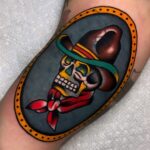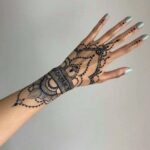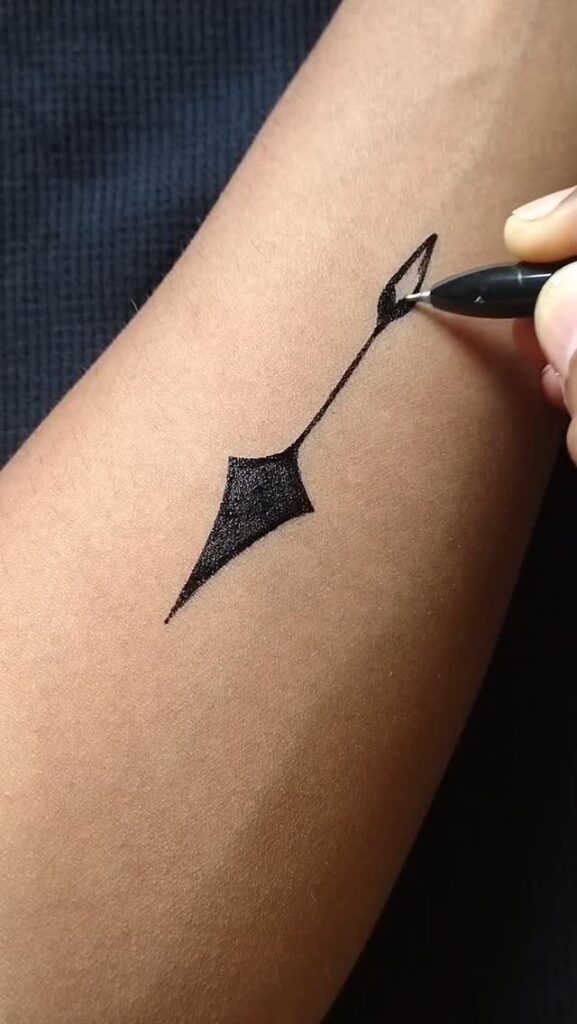
Pen ink sits on the surface and fades in a few days, while a design done with Sharpie or gel pen can hold on for a week if you keep water off it.
The spot you choose changes how fast the ink fades: hands lose color quickly from frequent washing, while forearms and shoulders hold the design longer since friction and water exposure stay lower there.
1. Pen Ink Temporary Tattoos
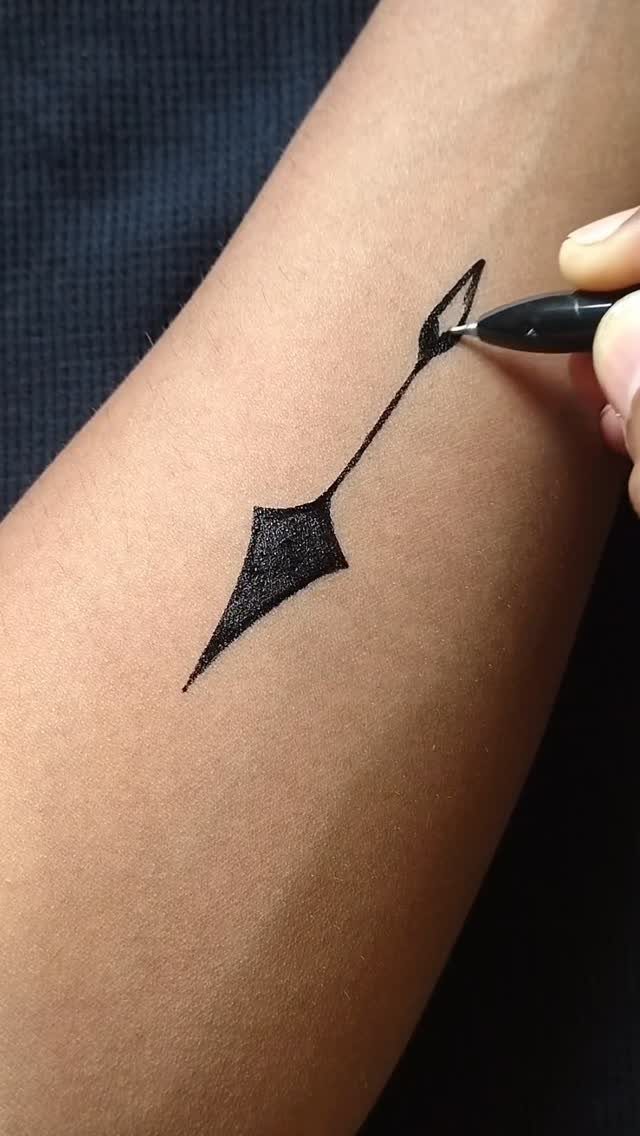
A felt-tip pen or fine-liner lets you sketch a temporary tattoo directly onto skin without ink guns, stencils or commitment.
The design wears off in a few days as skin oils break down the ink and daily washing lifts it away.
Pick a spot with smooth, flat skin so the pen tip glides evenly.
Draw slowly to keep lines crisp, and let the ink dry for a minute before your sleeve touches it. If you smudge a line, wipe it with rubbing alcohol and start over.
The ink fades fastest on hands and wrists where washing is frequent. For a design that lasts closer to a week, choose a forearm or shoulder and avoid scrubbing that area.
2. Small Hand and Wrist Doodles
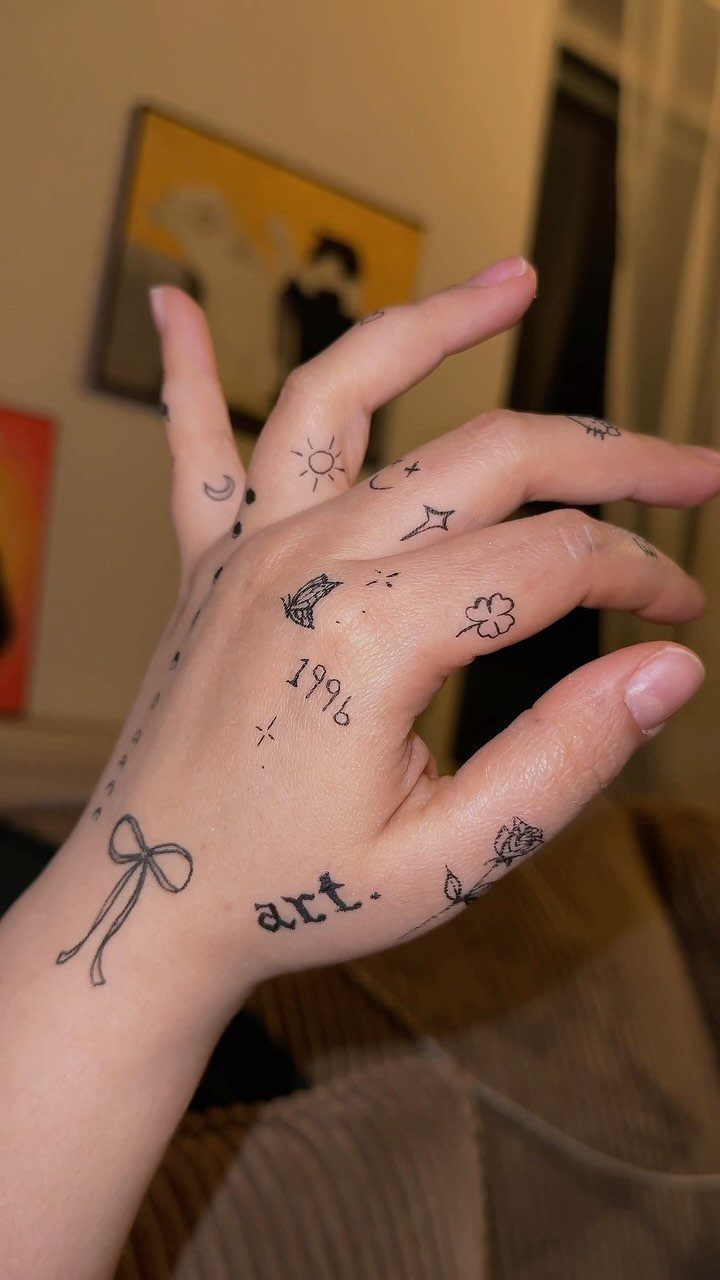
Tiny symbols and text drawn in pen across your hand and wrist give you a whole collection of designs in one sitting.
Bows, stars, clovers and short words fill the spaces between knuckles and tendons without committing to a single large piece.
This approach works well if you change your mind often or want to test several ideas before choosing a real tattoo. Each doodle takes under a minute, and you can add more as you think of them.
Hands lose ink faster than almost anywhere else because you wash them so many times a day. Most of the ink will vanish quickly.
3. Tribal Forearm Line Art
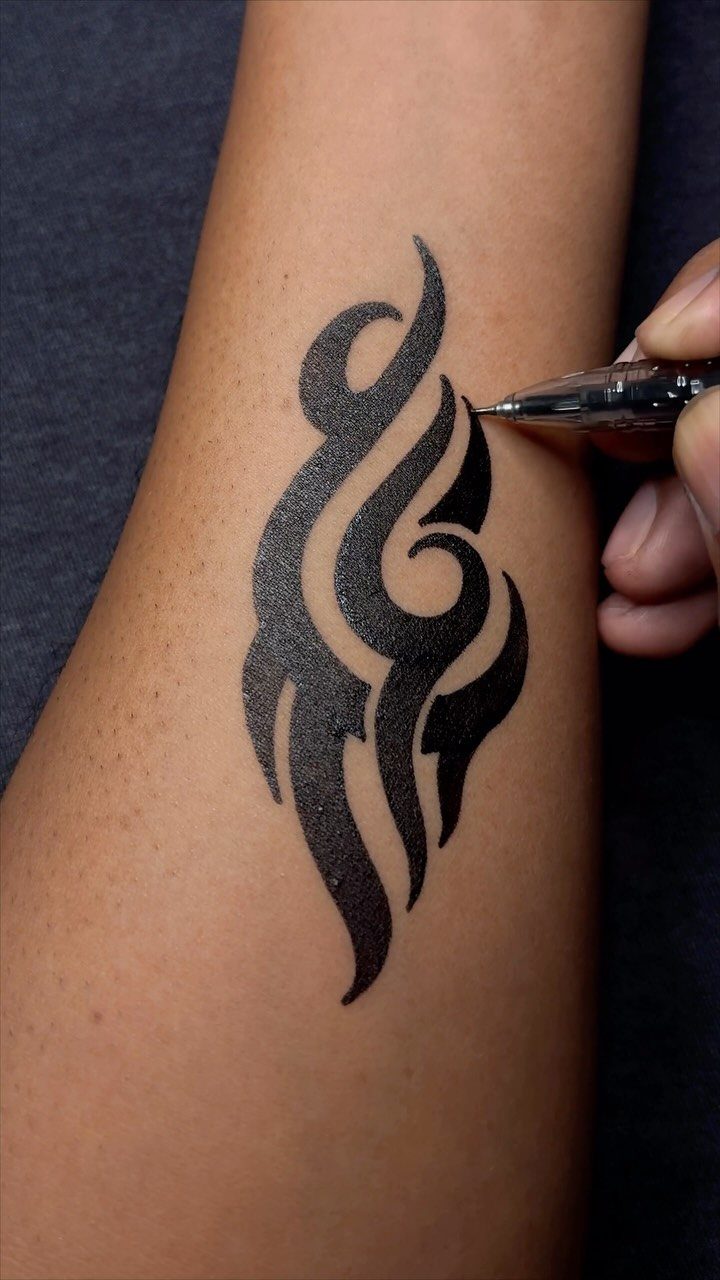
Tribal designs translate well to pen because their bold, unbroken lines show up clearly without shading or color fill. A black fine-liner or marker gives you the solid, graphic look tribal work is known for.
Sketch the outline lightly first for symmetry, then trace over it with steady pressure. Thicker lines read better from a distance and cover mistakes more easily than delicate strokes.
The forearm offers a long, visible canvas that curves gently, so the design wraps naturally as you move your arm. Tribal patterns suit this spot because their flowing shapes follow the muscle.
4. Simple Ghost Doodle
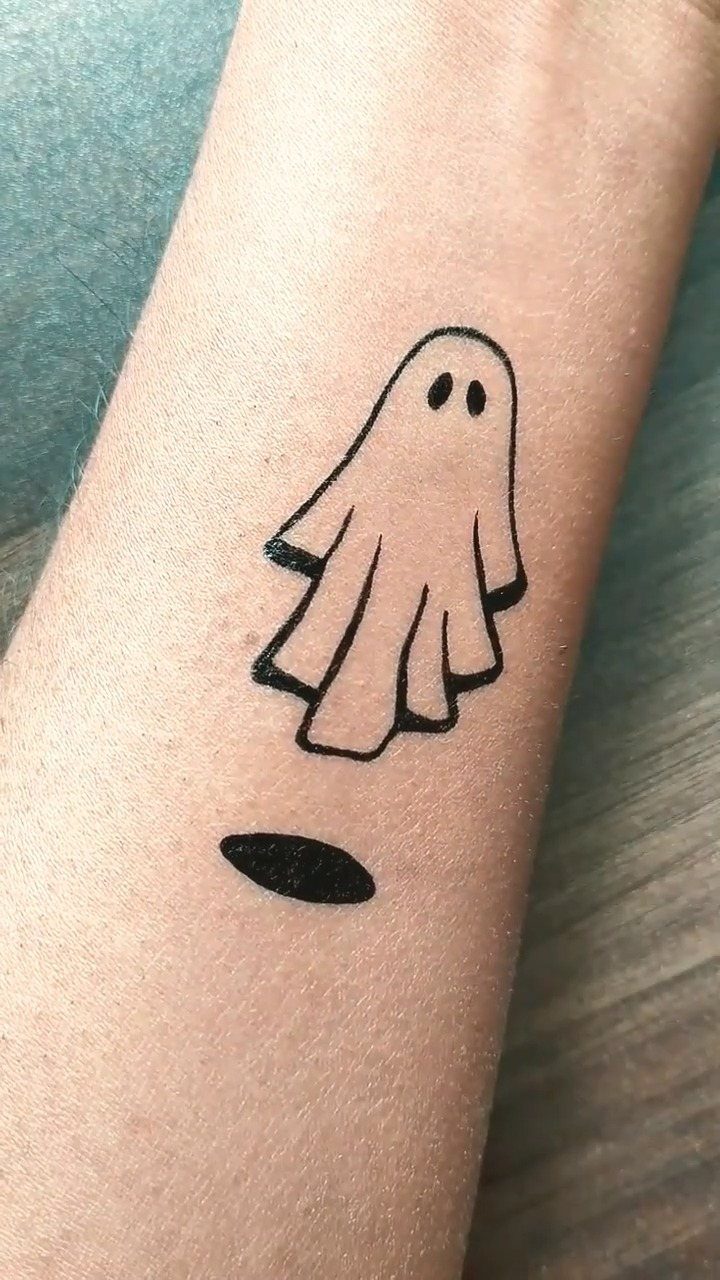
A small ghost with oval eyes and a simple outline draws quickly and works on almost any flat patch of skin. The minimalist shape reads clearly even at thumbnail size.
Adding a small shadow beneath the ghost gives the doodle a grounded, finished look without extra detail. A single pen is all you need.
This size and style suits wrists, ankles or the back of the hand. Something you can cover with a watch or bracelet will fit here.
5. Geometric Interlocking Triangle Forearm Art
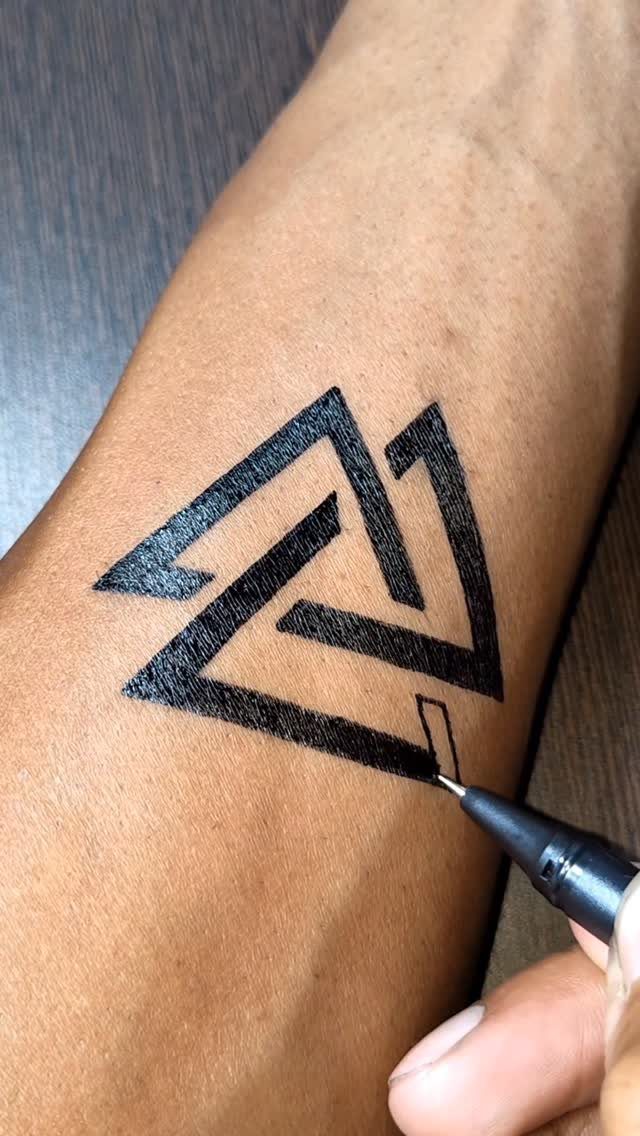
Interlocking triangles create depth and movement through overlapping lines, and a fine-liner gives you the control needed to keep angles sharp. Geometric designs like this one look intentional rather than improvised, even when drawn freehand.
Start with the center triangle and build outward so each new shape locks into the last. If one angle drifts, the whole pattern tilts, so draw slowly and check alignment as you go.
The forearm offers enough length to let a geometric design stretch and breathe. Tight clusters work better on smaller areas like the wrist or back of the hand.
Safety of Using Markers
Permanent markers contain solvents and dyes designed for paper and plastic, not prolonged contact with skin. Those chemicals can irritate or trigger reactions, especially on thinner skin or over repeated applications.
Drawing temporary tattoos with a pen starts with picking markers labeled skin-safe or body-safe. These products are formulated to limit irritation and use pigments meant for direct skin contact.
When a permanent marker is the only option, keep the design small and remove it as soon as you’re done testing the look. Clean the area with soap and water, or use rubbing alcohol to lift the ink quickly.
Watch for redness, itching or swelling after you draw. If any of those appear, wash the design off immediately and avoid using that marker again.
Longevity of Temporary Tattoos
How long a pen tattoo lasts depends on what you drew it with and where you put it.
Marker designs can hold up to a week if the skin stays dry and you avoid scrubbing the area. Henna lasts up to 3 weeks as the dye sinks into the outer layer of skin.
Paper transfers and stamp designs sit on top of the skin and fade quickly with water and friction. Most temporary tattoos fall somewhere between 2 days and 3 weeks.
Placement changes the timeline. A design on your forearm or shoulder fades more slowly since friction and water exposure are lower there.
Some marker tattoos can last up to a week, while some paper tattoos will wash off in the next shower. Henna tattoos can last up to 3 weeks.
— WikiHow
Frequently Asked Questions
Is there a fake tattoo?
Yes, temporary tattoos let you wear a design for a few days to a few weeks without a needle. Options range from pen drawings and temporary transfers to henna and semi-permanent formulas that settle into the skin’s top layer.
Can I make a DIY tattoo using pen ink?
A felt-tip or fine-liner gives you a design that holds up for several days.
Work on clean, smooth skin, take your time with each line, and wait until the ink sets before you put clothes over it. Oils in your skin start to dissolve the pigment, and soap and water finish the job.
Will pen ink tattoos fade?
Yes, pen ink tattoos fade within a few days to a week as washing and skin oils break down the pigment.
Designs on hands and wrists vanish faster because you wash those areas more often, while a forearm or shoulder holds ink longer if you avoid scrubbing.