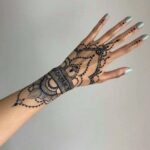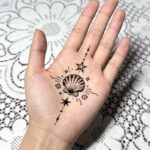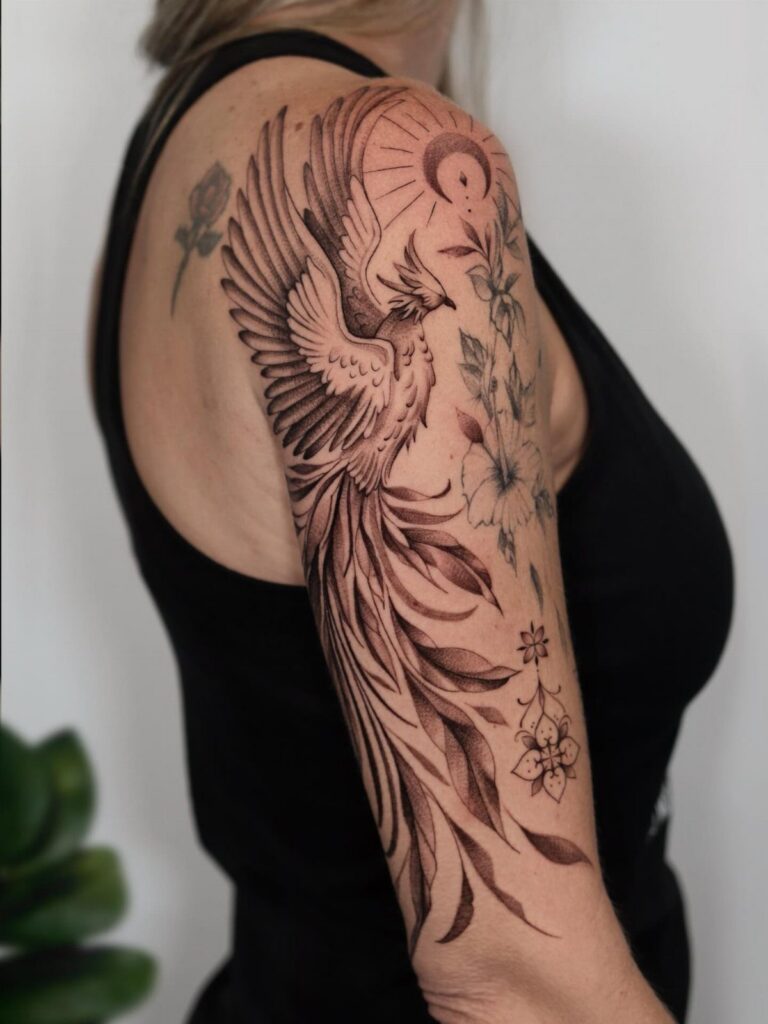
A semicolon or butterfly takes a single short session, while a phoenix with feather detail and color asks for multiple appointments and room across your upper arm or back.
Forearm and wrist placements keep the image visible to you first, while ribs and shoulder blade hide it under most clothing.
1. Phoenix
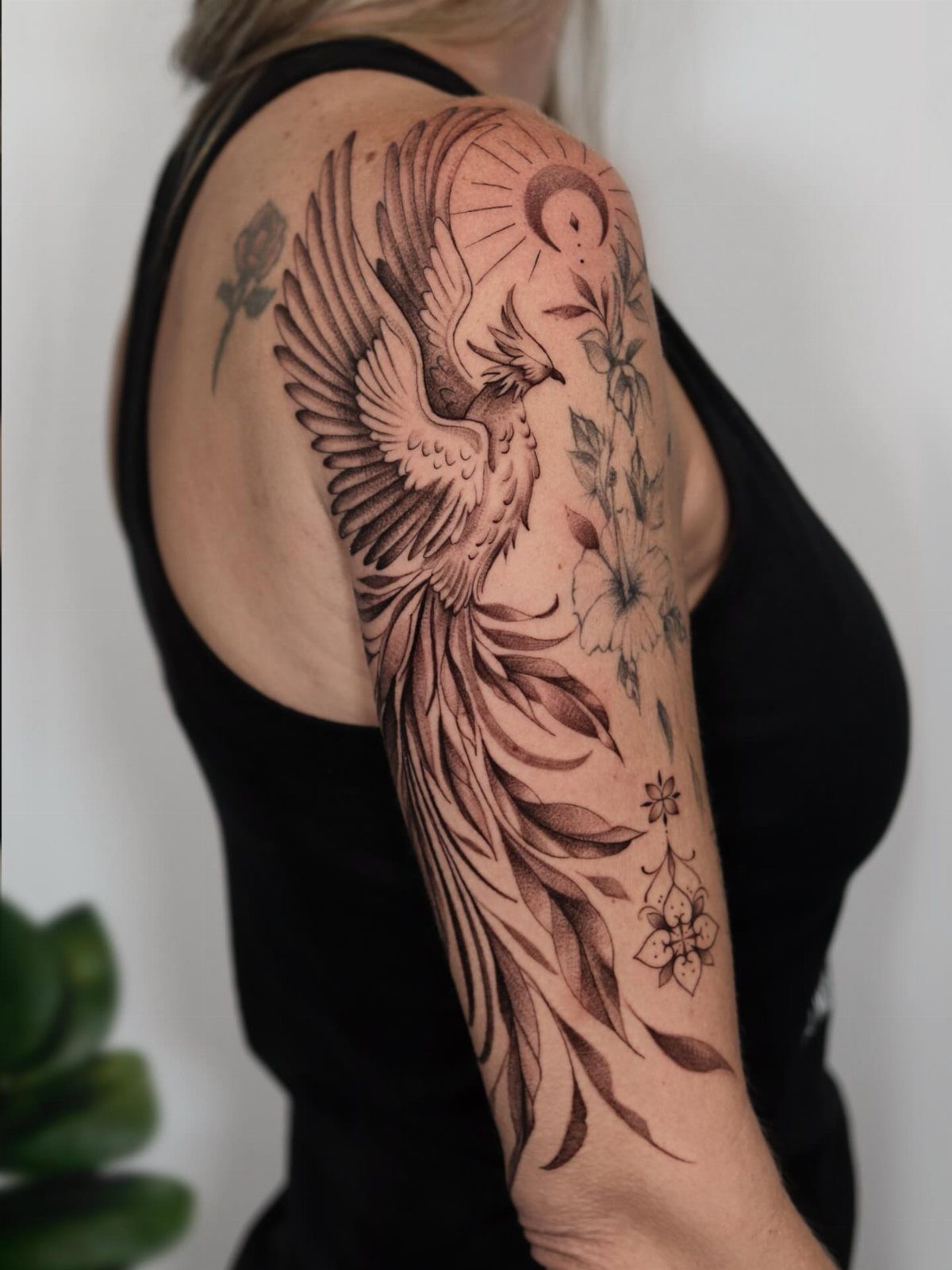
The phoenix rises from its own ashes, making it one of the clearest ways to show starting over. Its wings naturally fill the upper arm, with enough room for detail in the feathers and surrounding elements.
The crescent moon and flowers soften the mythology without losing the core image. Most artists work this in black and grey because shading defines the bird’s form better than color, and it heals more predictably across different skin tones.
2. Lotus Flower
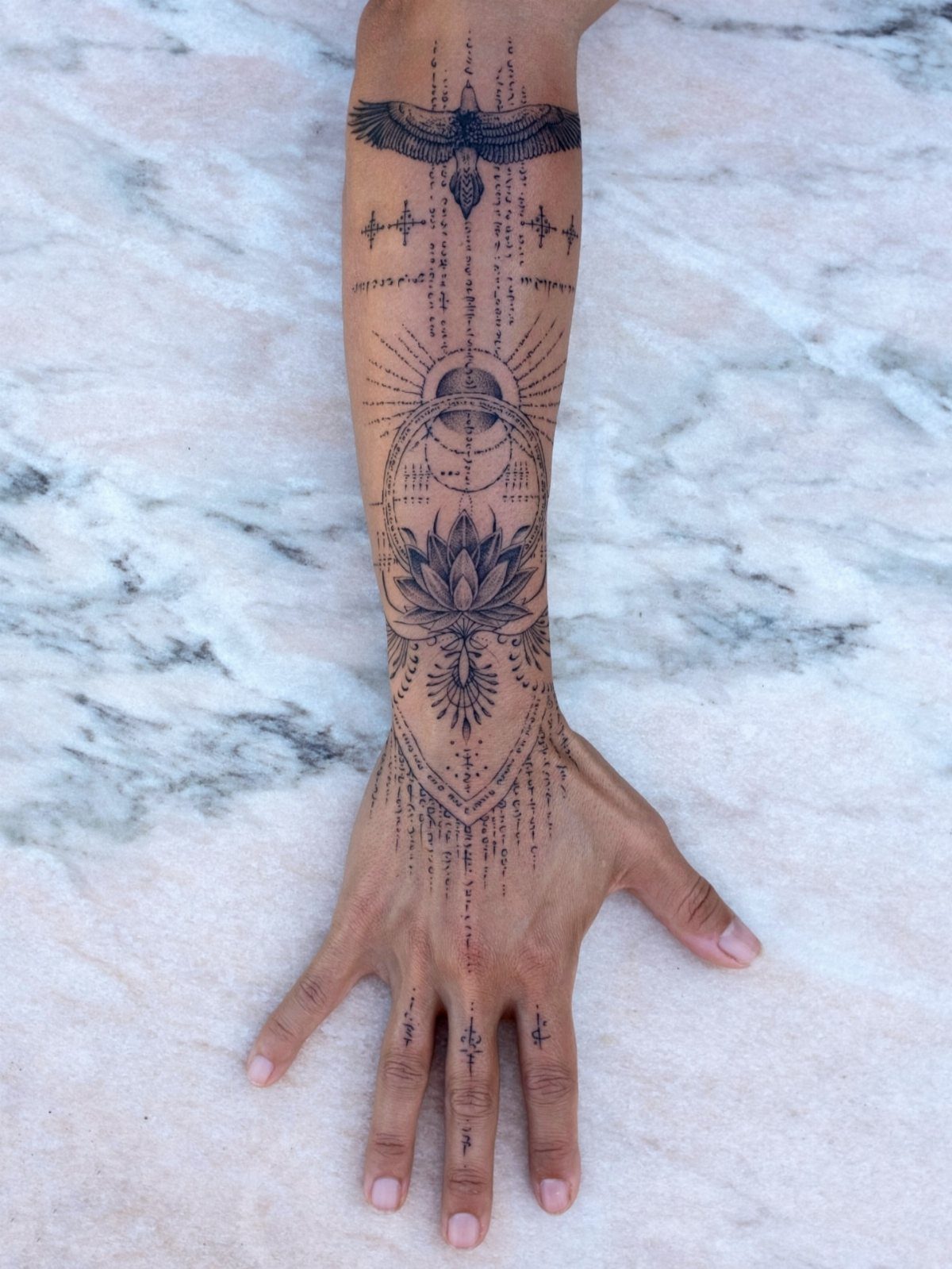
A lotus grows out of mud, which is why it reads as both strength and renewal without needing explanation.
The petals give your artist room to work in symmetry, and the flower sits well with geometric shapes or wildlife like the bird you see paired with it here.
Forearm placement keeps it visible to you, not just others. Black ink holds its contrast longer than color, and this level of detail asks for enough space to stay readable as the lines settle over time.
3. Semicolon
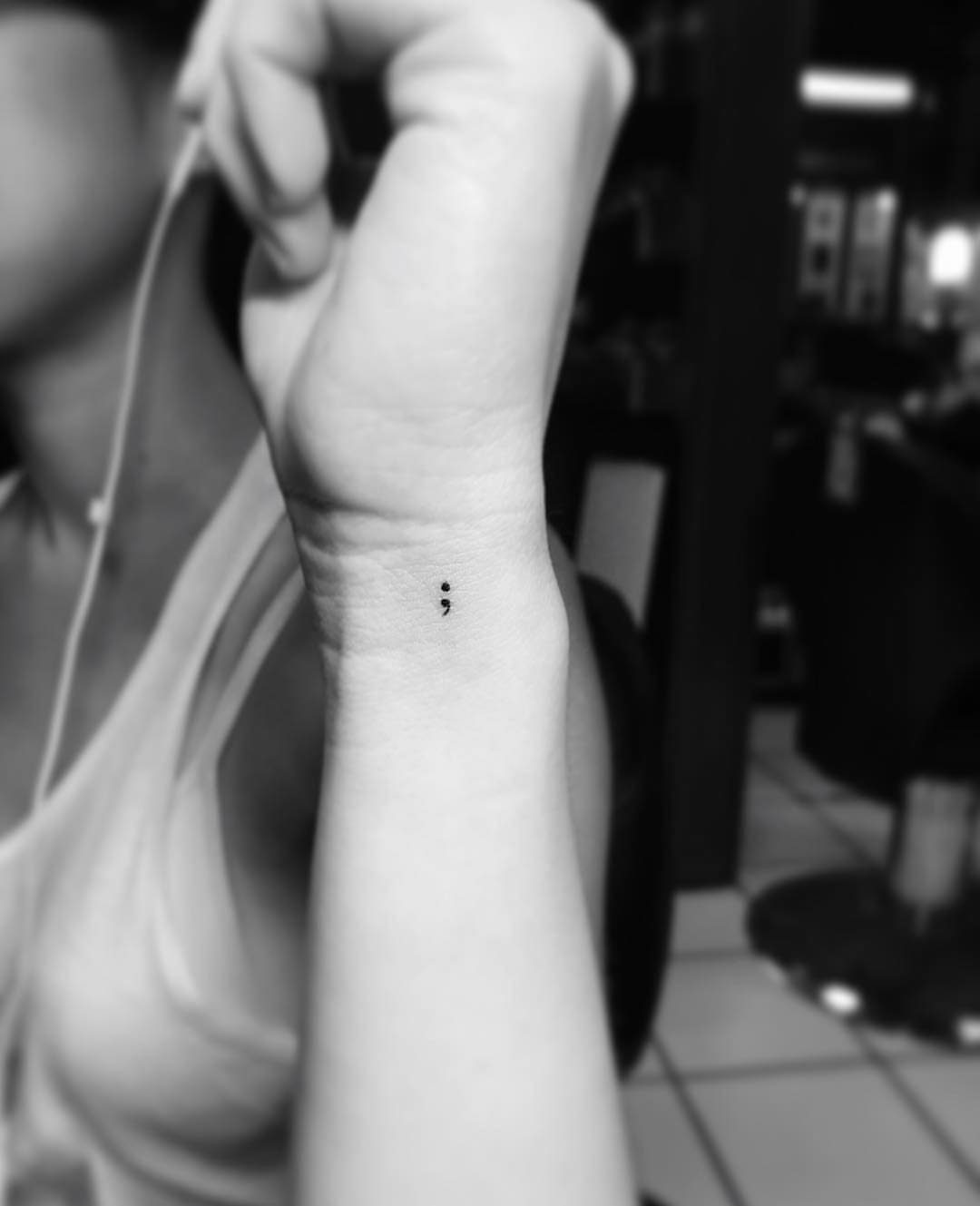
A semicolon marks a pause, not an end. That grammar rule became shorthand for choosing to continue, and the symbol itself needs only a few minutes under the needle.
Wrist placement keeps it small and personal.
The size keeps the cost low at most shops, and it heals faster than designs with more linework. Some people add a heart or arrow to the mark, but the punctuation alone already carries the meaning.
4. Butterfly
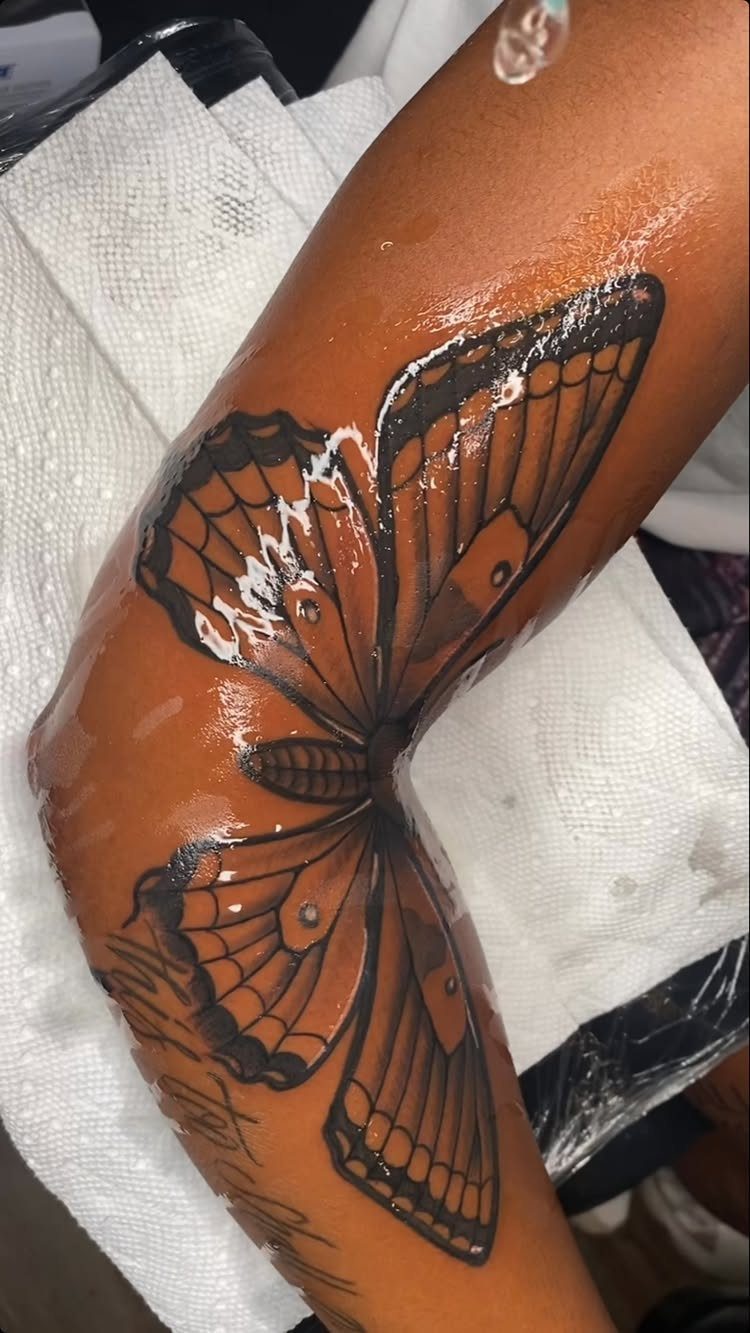
The inner elbow curves with the wing shape naturally, though the skin there is thin and the process stings more than flatter areas.
Outline-only versions like this one heal quickly, and you can add color later if you want it. Monarch patterns are popular, but swallowtails and moths give you different silhouettes if you want something less common.
5. Broken Chains
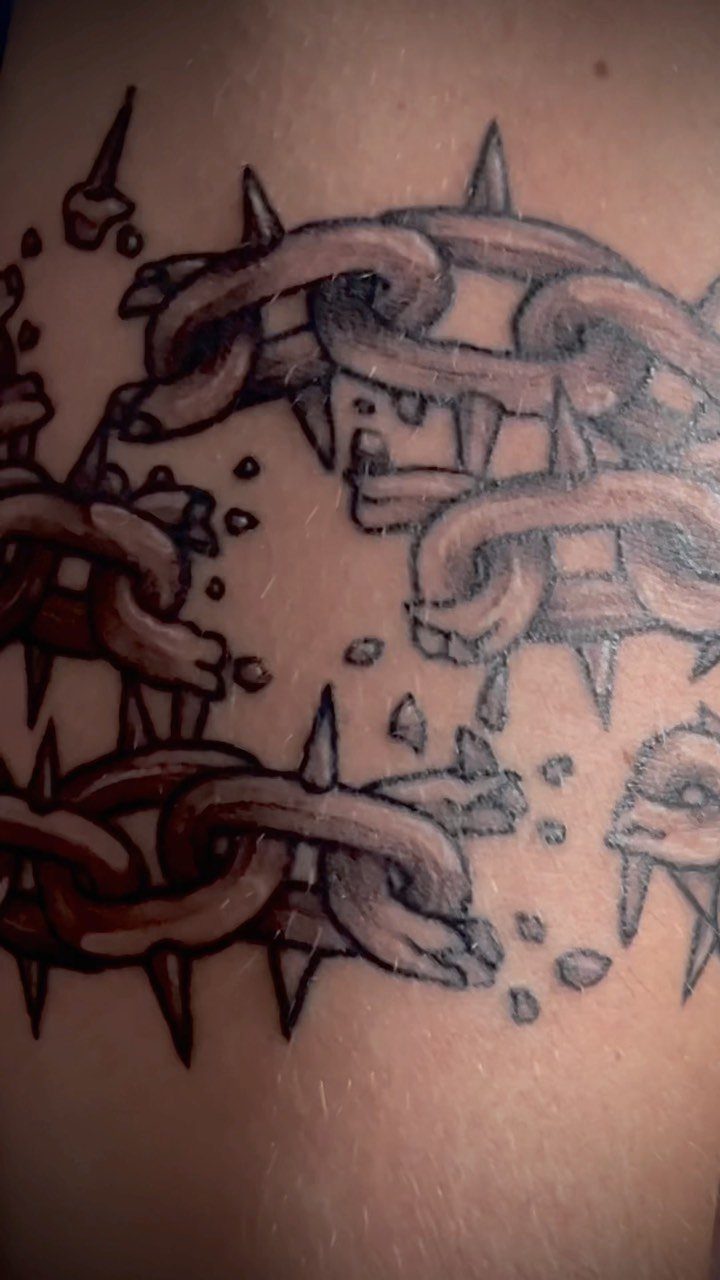
Broken chains show freedom earned, not given.
The spikes and texture in the metal make the image feel raw, and the break itself is the focal point, so your artist will usually add shadow or a gap of light right there.
This works on the forearm, bicep, or anywhere you want a horizontal band.
Realism demands more sessions than simpler linework, and the shading holds best when the chain wraps around a curved surface instead of sitting flat on the shoulder blade or ribs.
6. Kintsugi Heart
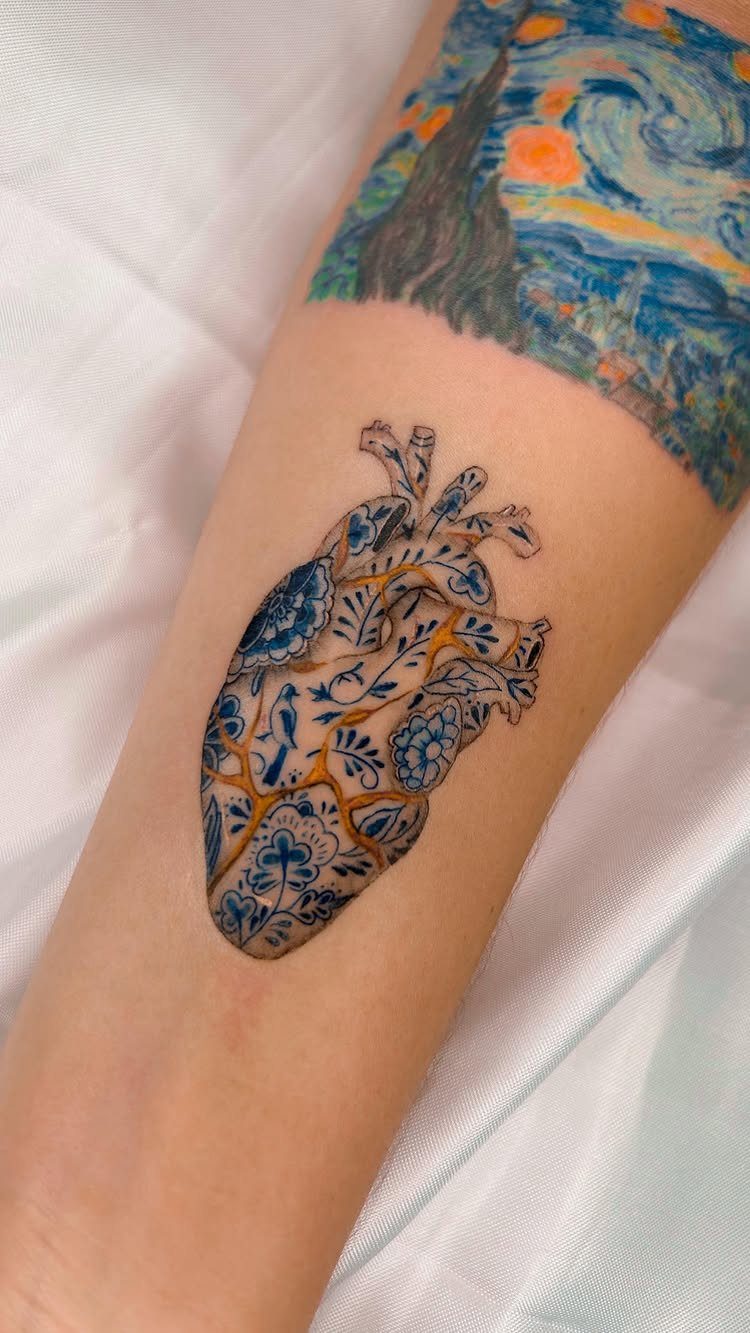
Kintsugi is the Japanese practice of mending broken pottery with gold, treating the repair as part of the object’s history.
An anatomical heart with gold cracks running through it applies that idea to your own recovery, and the contrast between realistic shading and metallic highlights gives the design its weight.
Blue flowers soften the clinical look of the heart without covering the structure. Gold ink is usually yellow ink that reads as metallic once healed, and it shows up best over black shading rather than bare skin.
7. Recovery Symbol
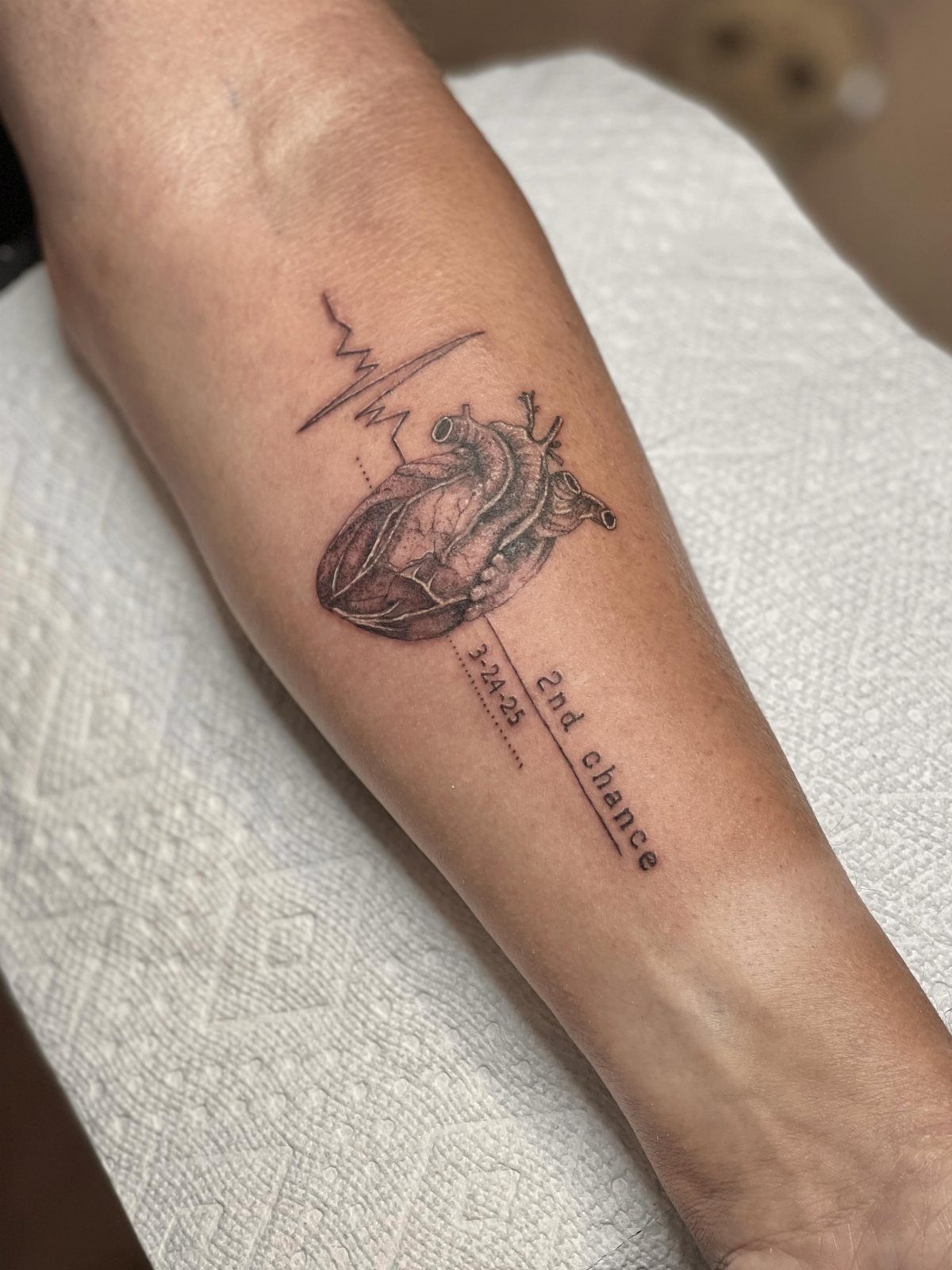
The anatomical heart with a heartbeat line marks the exact moment survival became real. Adding a date locks the design to that day, and a short phrase like "2nd chance" keeps the meaning clear without extra explanation.
Forearm placement means you see it daily, which matters when the tattoo exists to remind you of the choice you made.
Black ink holds clean lines better than color for medical imagery, and this size stays readable without taking up most of the arm.
8. Strength Quote Tattoo
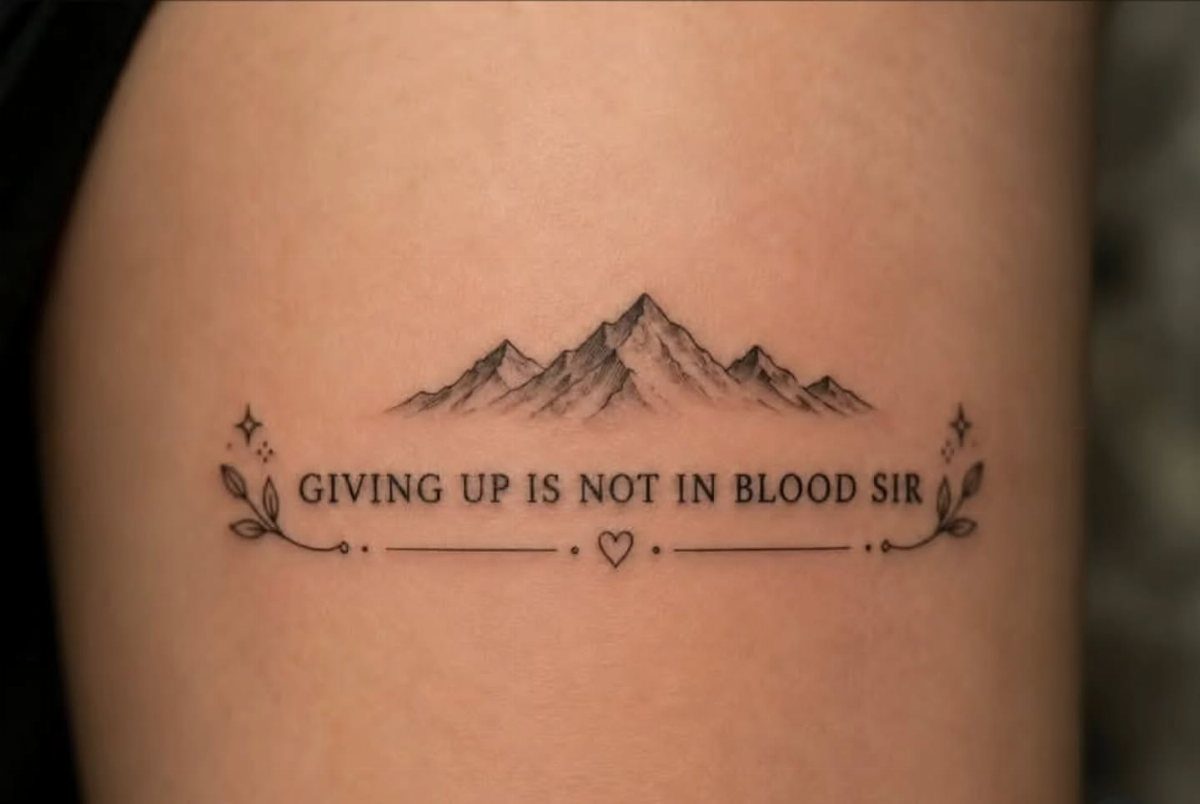
Mountains anchor text because the landscape already means endurance.
A quote in all caps reads bold, but check the length before you commit: long phrases need more space or smaller letters, and tiny script blurs faster than larger type as the ink spreads under your skin over years.
Personal lines hit harder than famous quotes.
The small elements like leaves and stars fill gaps without crowding the words. Upper arm or thigh gives you enough flat surface to keep the letters straight and legible.
9. Rainbow
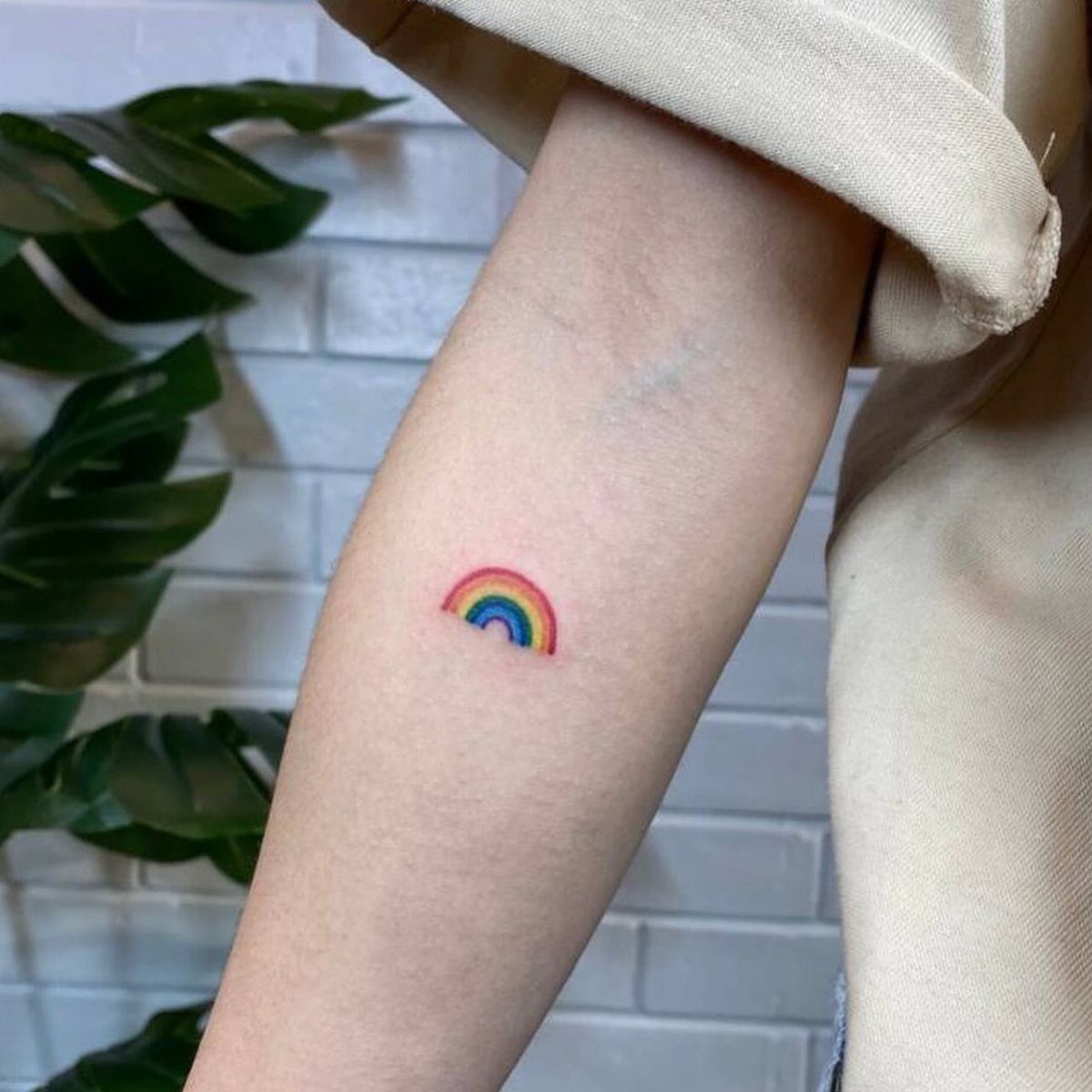
A small rainbow finishes fast and heals quickly. Color on the inner forearm shows up well because the skin there stays lighter than sun-exposed areas, but the same thin skin means more sensation during the session.
Touch-ups every few years keep the colors bright, since pastels fade faster than black ink. If you want something that lasts without maintenance, consider the same shape in solid black gradient instead.
Choosing a Healing Symbol
The symbol that works is the one that reminds you why you got it. A phoenix or lotus carries meaning people recognize immediately, but a personal image tied to the day things changed often holds more weight over time.
If the design needs explanation every time someone asks, that’s fine.
The tattoo is for you first. A quote, a date, or an object that marked the turning point can anchor the image when abstract symbols feel too broad.
Start by writing down what healing meant in your case: stopping something, starting over, surviving a specific event, or building something new.
Then look for images tied to that action. The closer the symbol sits to your actual experience, the less likely you are to regret it once the novelty wears off.
Tattoo Placement
Placement changes how often you see the tattoo and who else does. Ribs, shoulder blade, or upper thigh hide it under most clothing, giving you control over when it shows.
Skin thickness affects pain and healing.
The wrist, inner elbow, and ribs have less padding over bone, so the needle stings more and swelling lasts longer. Forearm, bicep, and thigh offer more cushion and heal faster with fewer complications.
Size and placement need to match. Small text or fine detail needs flat skin and enough space to stay legible as the ink spreads slightly under your skin over years.
Combining Symbols
Layering symbols lets you mark different parts of the same story. A lotus with a date, a phoenix with broken chains, or a semicolon inside a larger geometric frame all combine images without losing clarity.
The risk is crowding. Each added element takes space, and too many details blur together once the tattoo heals.
If you want multiple symbols, give each one enough room to read on its own, or pick a layout where one image anchors the design and smaller elements support it without competing.
Custom work costs more than flash because your artist has to draw it first. Bring reference images for each symbol and explain how they connect, so the design feels planned rather than patched together.
Frequently Asked Questions
What are the most popular healing tattoo symbols?
Phoenix, lotus flower, semicolon, butterfly, and broken chains appear most often.
Each one carries a meaning people recognize immediately: rebirth, growth from hardship, choosing to continue, transformation, and earned freedom. The symbol that works best is the one tied to your actual experience rather than general recognition.
What type of healing tattoo should I choose?
Pick the image that reminds you why you got it, not the one that looks good in someone else’s photos.
Write out what healing looks like for you: was it letting go of something, making it through a particular moment, or choosing a path forward.
Then look for symbols tied to that action, whether it’s a widely recognized image like a phoenix or a personal object that marked the day things changed.
What are the different stages of healing for a tattoo?
The first stage brings scabbing and redness for about a week, followed by peeling and flaking as the outer layer of skin sheds.
Complete healing takes 2 to 4 weeks depending on size and placement, with thicker skin areas like the forearm healing faster than thin skin over bone. Each stage needs different care to keep the ink settling cleanly.
Can I combine multiple healing symbols in one tattoo?
Multiple symbols can tell a bigger story, the way adding a date to a phoenix or framing a word in vines turns one idea into a timeline.
Space each piece so it holds its shape, or let one central image carry the weight and tuck smaller details around it instead of fighting for attention.