Practice starts on fake silicone sheets that cost a few dollars each and mimic how real skin takes a needle, then works through basic shapes and flash designs before you move to anything more complex.
How much practice time you log and what your state requires will decide when you’re ready to move forward.
Most states require a bloodborne pathogen certificate, an inspected workspace and proof of proper sharps disposal before you can legally tattoo another person.
1. Fake Skin
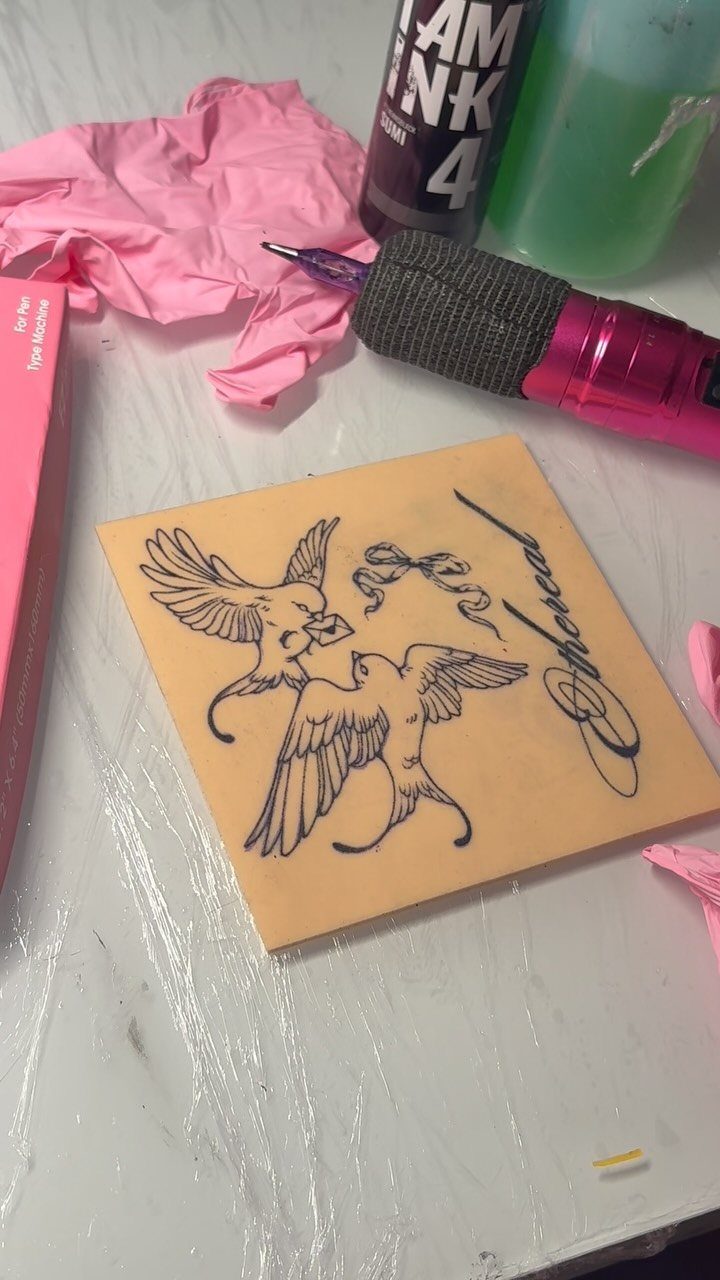
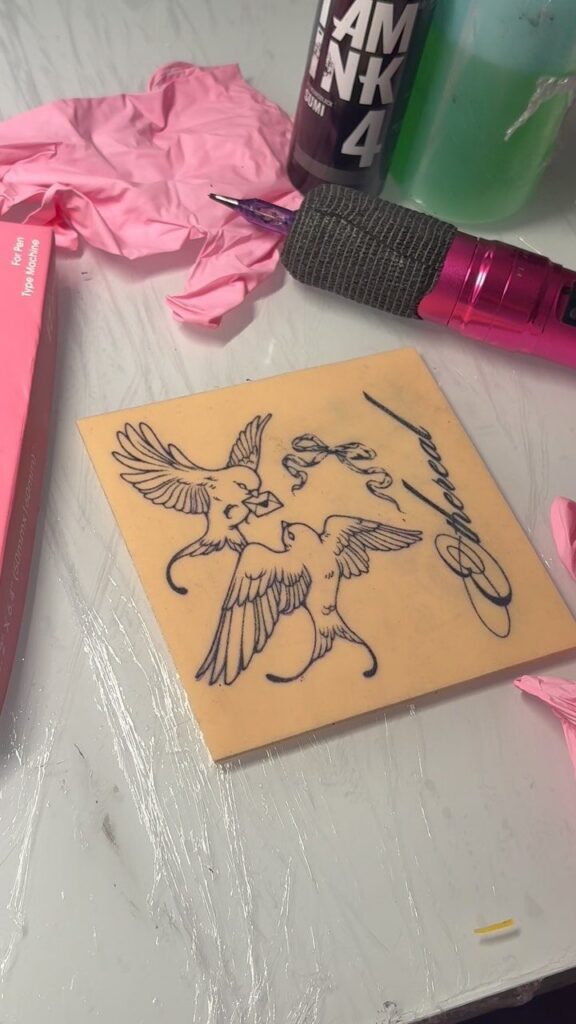
Fake skin lets you practice tattooing without the pressure of working on a person.
The silicone surface mimics how real skin responds to a needle, so you can dial in your depth, speed and hand control before you try the real thing.
A single sheet is inexpensive, and most beginner kits include a few.
Start with simple lines and circles to get a feel for how the machine runs. Once those read clean, move to shading and curves.
Fake skin won’t bounce or flinch, which makes it easier to focus on technique alone.
2. Tattoo Designs
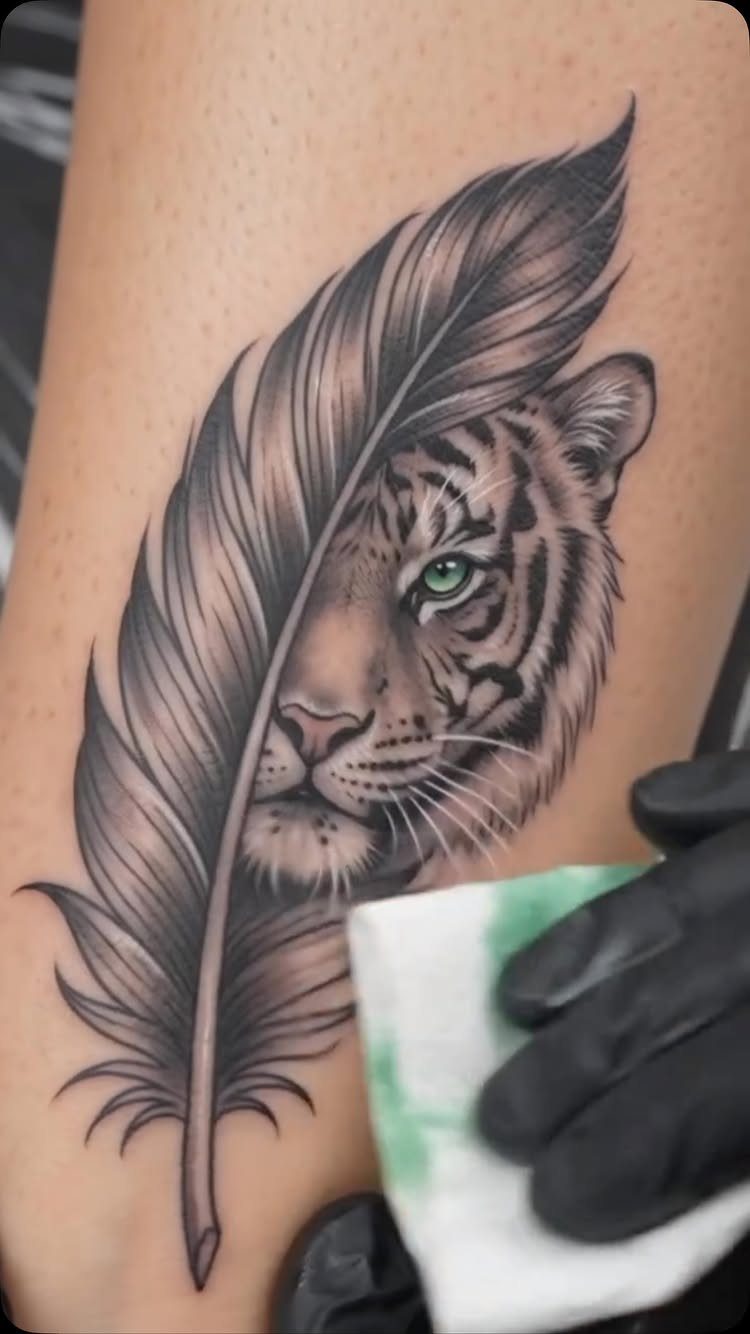
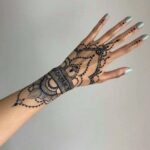
Choosing a design that fits your skill level keeps the first few tattoos from falling apart halfway through.
A bold, high-contrast piece like this tiger and feather reads well because the shapes are clear and the shading has room to breathe.
Look for designs with defined edges and a limited palette.
Black and grey work is more forgiving than color when you’re still learning how deep to run the needle. Avoid fine-line scripts and tiny details until your hand stays steady under pressure.
Print a few options at actual size and trace them on fake skin to see which ones hold up.
3. Small, Basic Shapes
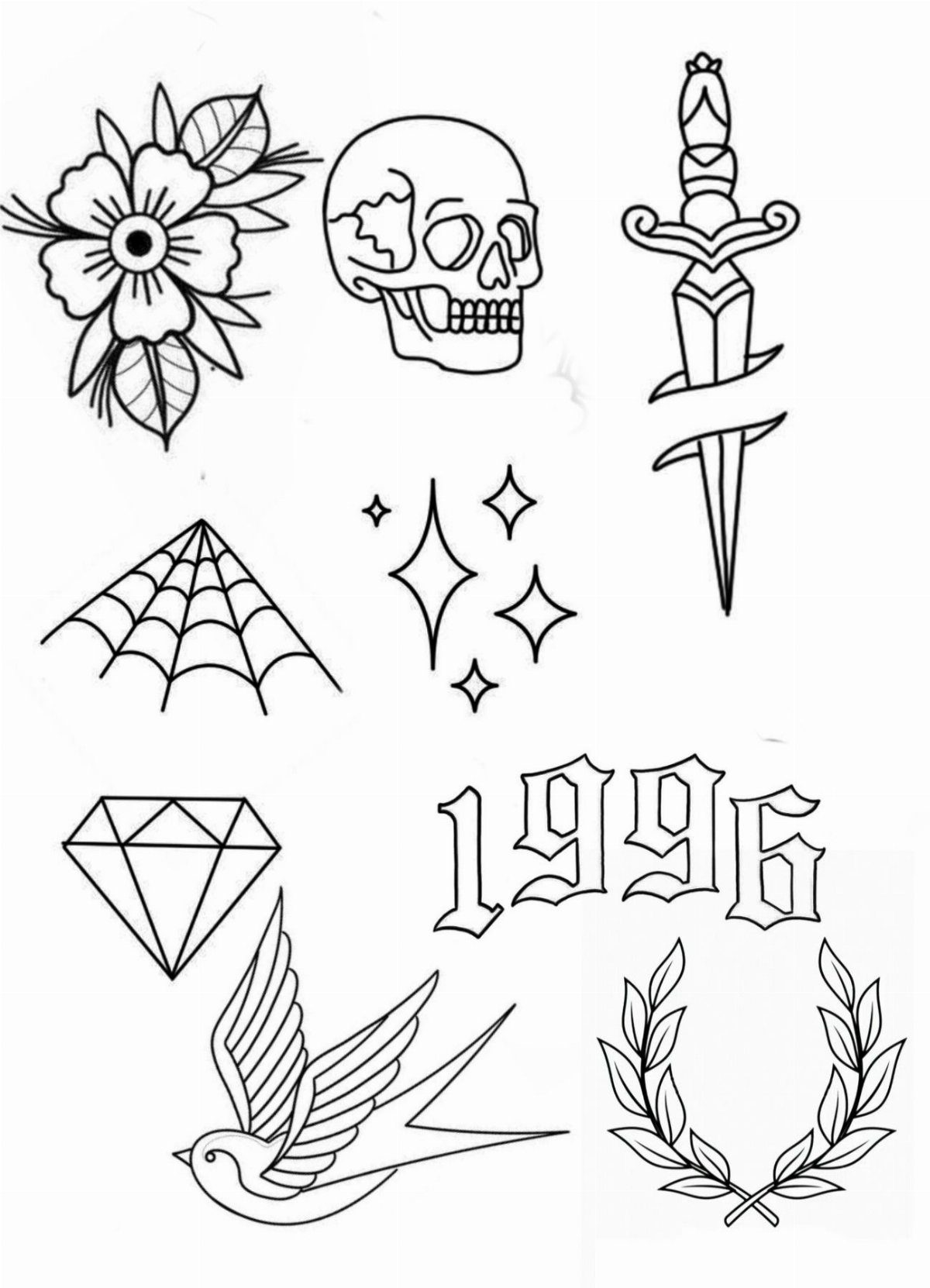
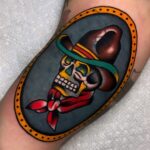
Small, basic shapes give you a safe way to build foundational skills before you attempt portraits or sleeves. A skull, flower or dagger has enough structure to practice line weight and shading without requiring perfect symmetry or fine detail.
Flash sheets like this one are designed for beginners.
Each image stays small, which takes less time to complete and keeps the needle moving in short, controlled strokes. Stars and diamonds teach you how to hold a crisp angle; a laurel or spiderweb adds a little curvature.
Pick a handful of designs and tattoo them on fake skin until the lines stop shaking.
Importance of Practice
Drawing on paper before you touch a machine builds the line control and composition sense that matter once the needle is running.
Copy flash designs you respect to see how line weight and spacing make an image read at a distance. Start with bold shapes, then move to finer detail as your hand steadies.
Digital tools like Procreate or Photoshop let you adjust a design quickly without redrawing the whole thing. You can test color palettes, move elements around and print the result at actual size to check how it will sit on skin.
Set aside time each day to draw, whether on paper or a tablet.
Document your work so you can see where your lines tighten and your shading improves. Ask someone with more experience to look at your practice pieces and tell you what needs work.
Tattooing Laws and Regulations
Local laws dictate who can tattoo, where and under what conditions.
Most states require a license or permit, proof of bloodborne pathogen training and an inspected workspace. Check with your county health department to learn what applies in your area.
You need to recognize the signs of infection and know how to respond if a client calls with swelling, heat or discharge.
Direct clients to their doctor for medical advice. Allergic reactions to ink are rare but possible, so ask about known allergies before you start.
You can’t skip waste disposal protocols or surface sterilization, they’re legal requirements. Sharps go in a biohazard container, and everything that touches skin gets bagged or sterilized according to code.
Frequently Asked Questions
How do I teach myself to tattoo?
Start by practicing simple lines and shapes on fake skin until your hand control improves, then move to more complex designs.
Free tutorials and technique books will get you past the basics faster than guessing your way through every mistake. Once you’re consistent on practice material, find someone with experience who can review your work and point out what needs fixing.
What do I need to start tattooing for beginners?
You need a tattoo machine, fake skin for practice, black ink, gloves and basic drawing skills before you attempt anything on a person.
Black ink forgives more depth mistakes than color does, so save the palette for later. Safety equipment and knowledge of sterilization and bloodborne pathogen protocols are legal requirements, not optional.
What are the easiest tattoos for beginners?
Small, bold shapes like stars, diamonds, skulls and daggers are easiest because they have clear edges and don’t require perfect symmetry or fine detail.
Keep each piece palm-sized or smaller so you can finish it in one session without losing control. Flash sheets designed for beginners offer ready-to-use designs that teach line weight and shading without high-risk elements.