Dark skin holds black ink with sharp contrast and makes saturated colors read more intensely than they do on lighter tones, which is why bold jewel tones, black and grey work, and reddish-brown ink all deliver clean results.
Pastels and light yellows fade into the background because your natural skin tone sits darker than the pigment, so the right choice depends on whether you want a piece that pops from across the room or one that blends softer with warm reddish-brown ink.
A healed portfolio showing work on dark skin tells you more than fresh photos, since ink settles differently depending on tone and an artist who adjusts line weight and saturation for darker skin keeps the design readable years later.
1. Bold and Deep Colors Tattoo
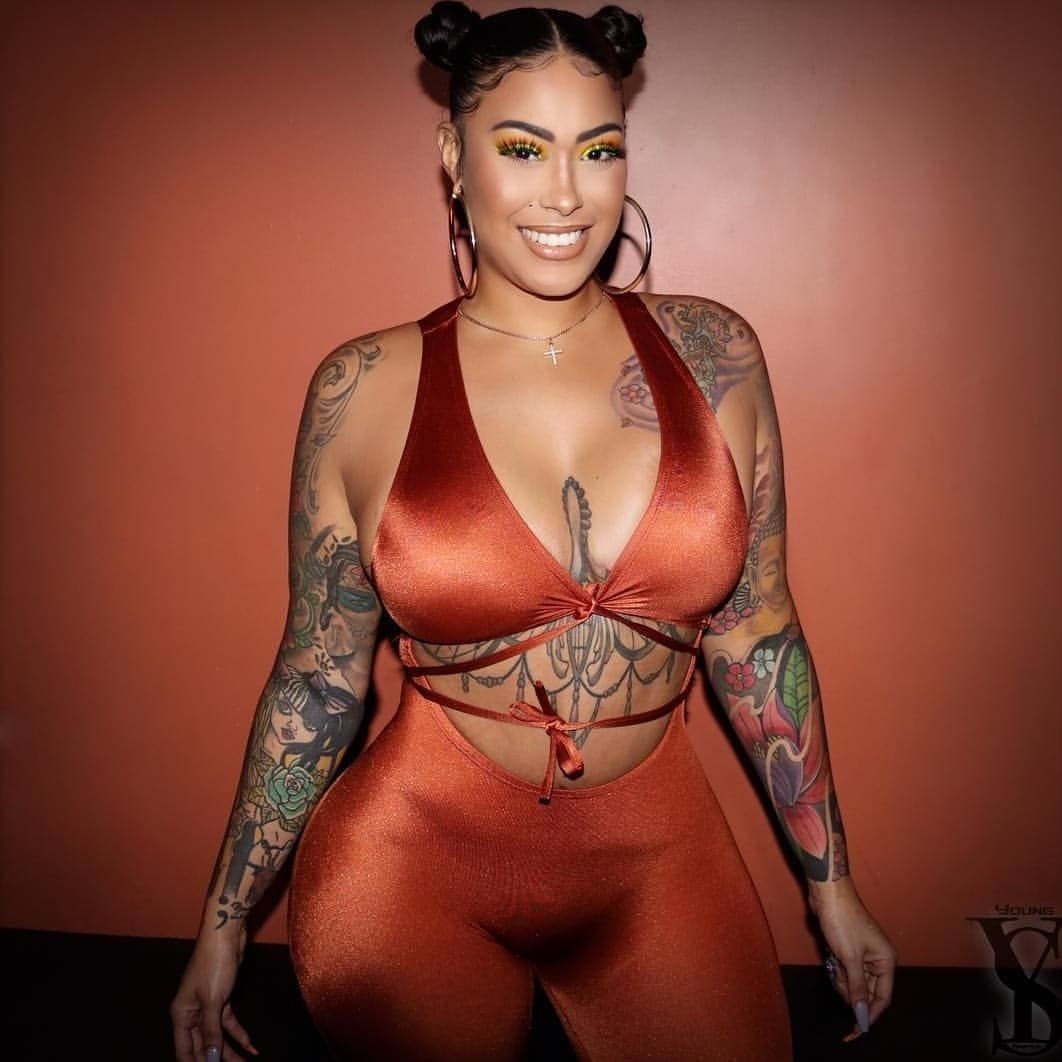
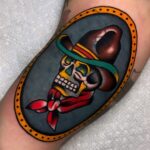
Deep jewel tones like emerald green, royal blue and rich purple show beautifully on dark skin because the contrast is strong enough to let every color detail read clearly.
Bright reds, oranges and yellows hold their intensity and read clearly against darker skin.
Black outlines keep the colors crisp and prevent them from blurring together over time. If you want a piece that looks bold from across the room, saturated colors are the way to go.
Pastels and light pinks can still work, but they need heavier saturation or a dark outline to show up well on darker skin tones.
2. Black and Grey Tattoos
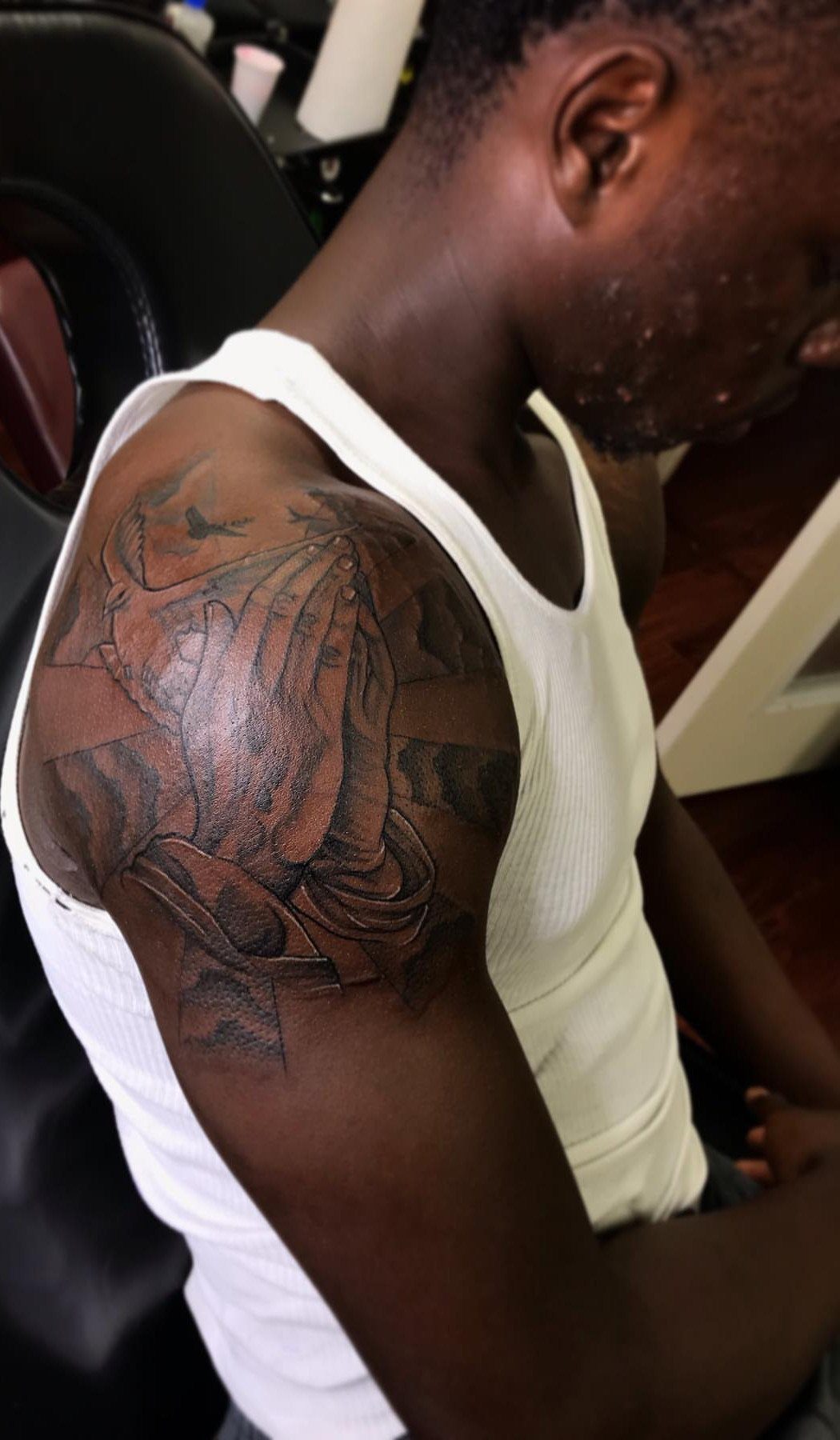
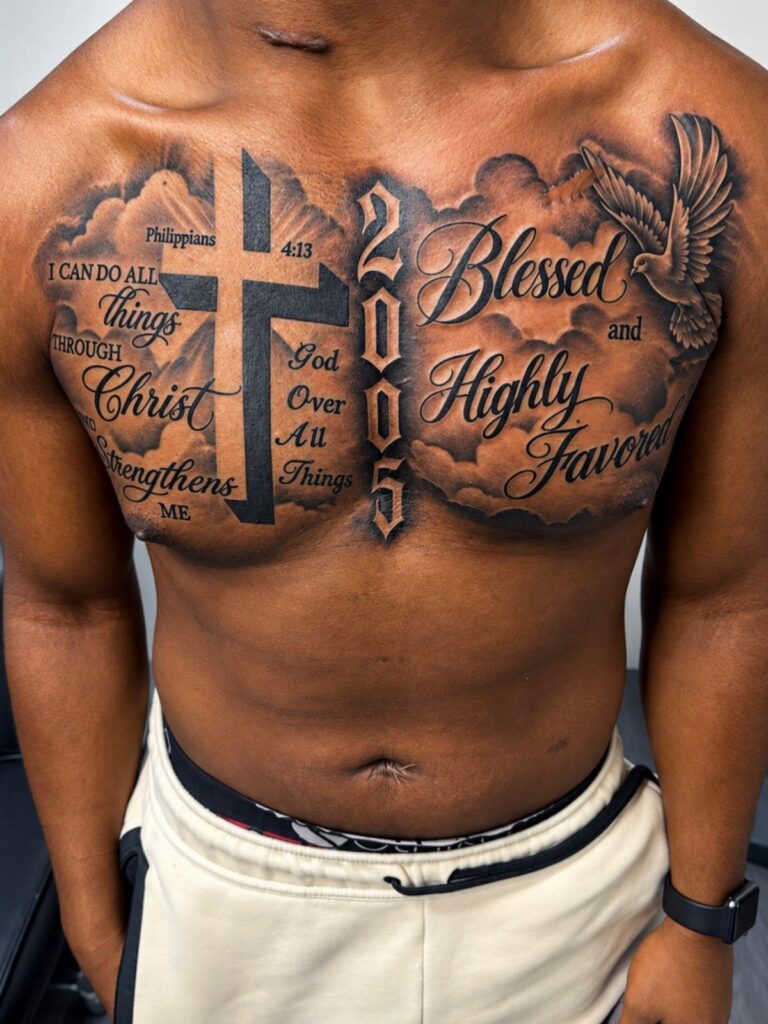
Black and grey work holds up really well on dark skin because the ink sits in strong contrast against the natural tone. Shading reads cleanly, and artists can build depth with different densities of black without needing color.
The vertical shape fits the muscle, and the detail in the fingers and folds shows better when the tattoo is placed somewhere with smooth, flat skin.
Grey wash softens the look if you want something less stark, but solid black linework makes the design sharp and easy to read from any distance.
3. Reddish-brown Ink Sleeve Tattoo
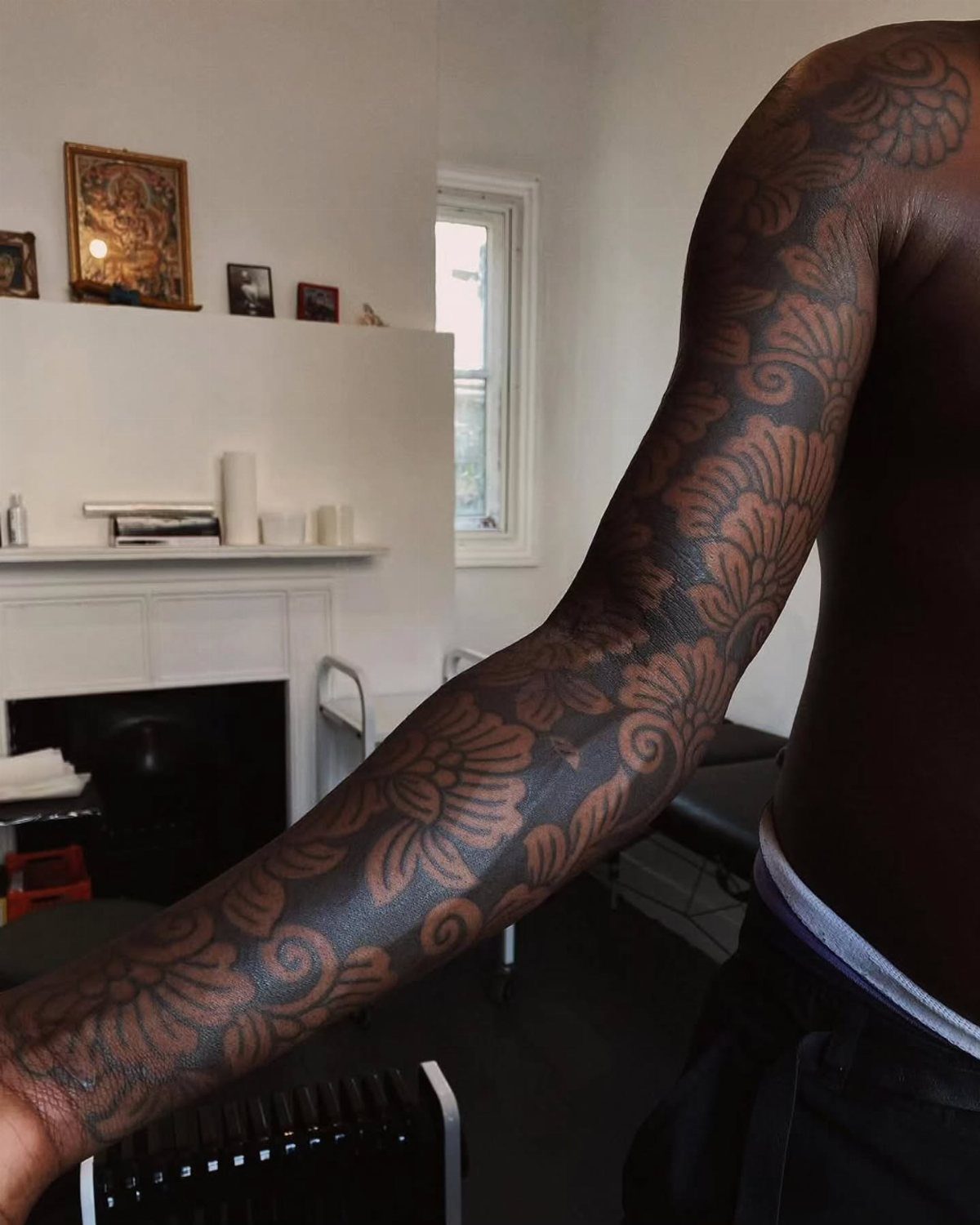
Reddish-brown ink sits closer to the natural undertones in dark skin, so it blends in a softer way than black while still holding enough contrast to stay readable.
The warmth works especially well for florals and organic patterns that cover a large area like a full sleeve.
This color looks subtle in low light and more detailed when the sun hits it directly. If you want a sleeve that feels less heavy than solid black, this is a good middle option.
The ink heals lighter than it looks fresh, so ask your artist to go darker than you think you need.
4. Detailed Hand Dragon Tattoo
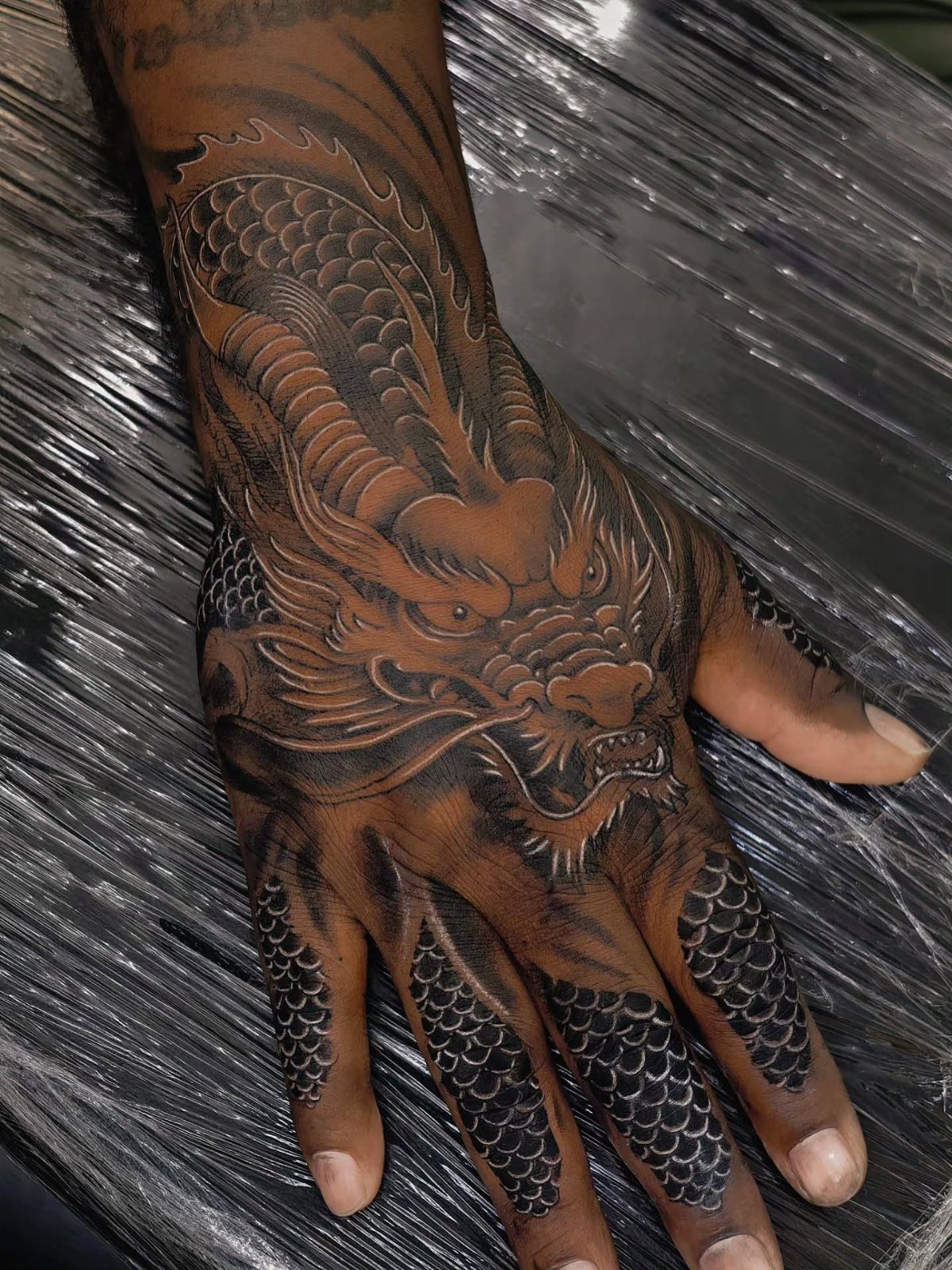
A dragon wrapping across the back of the hand and fingers gives you a piece that moves with your gestures, so the design feels active rather than static.
Black ink keeps the scales, teeth and claws sharp, and the detail stays legible even as the tattoo ages.
Hand tattoos fade faster than most placements because the skin gets more friction and sun exposure. You’ll likely need a touch-up within a few years to keep the linework clean.
Expect more pain here than on fleshier spots. The skin over the hand is thin, and the bones sit close to the surface.
5. Butterfly and Script Foot Tattoo
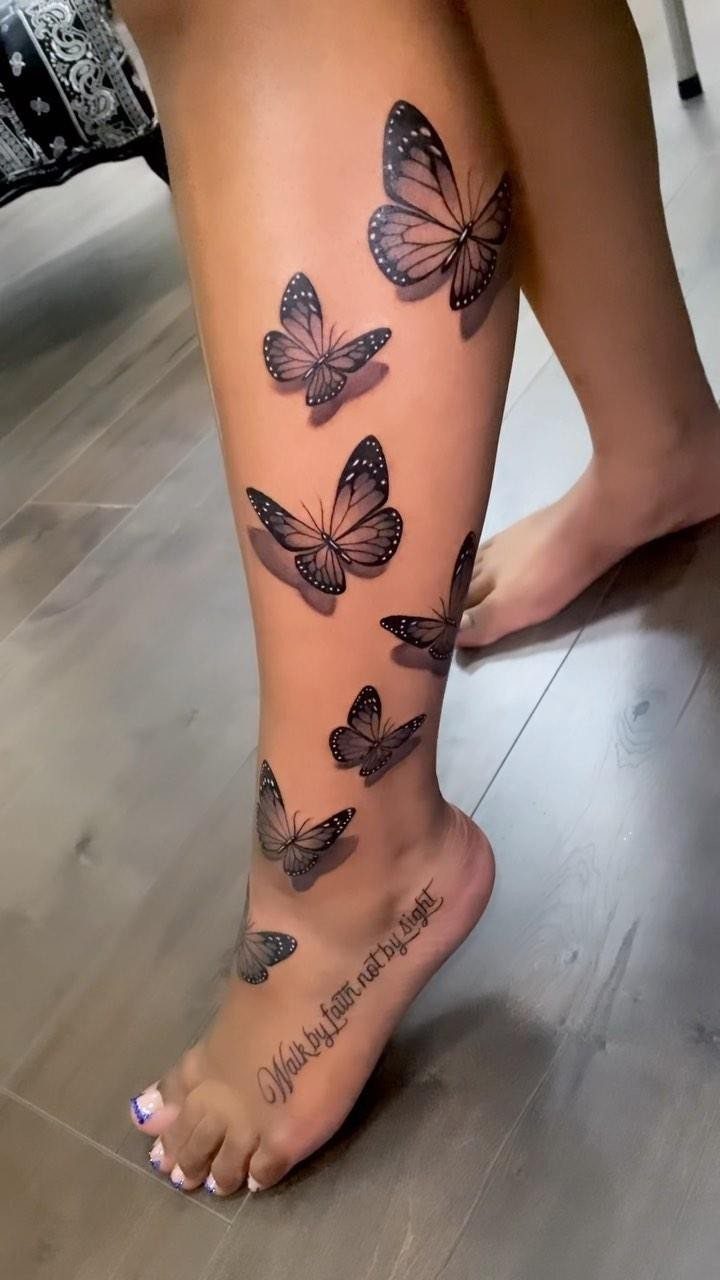
Several butterflies spaced up the leg and ankle create movement without needing a heavy background. Black ink keeps the wings crisp, and the negative space between them lets the skin breathe so the piece doesn’t feel too busy.
Script along the side of the foot adds a personal touch without competing with the butterflies for attention. Keep the font simple and the letters sized well so the design stays readable as it settles.
Foot tattoos can blur slightly because the skin stretches and flexes with every step. Black ink holds better than fine grey shading in this spot.
6. Henna-style Ankle Tattoo
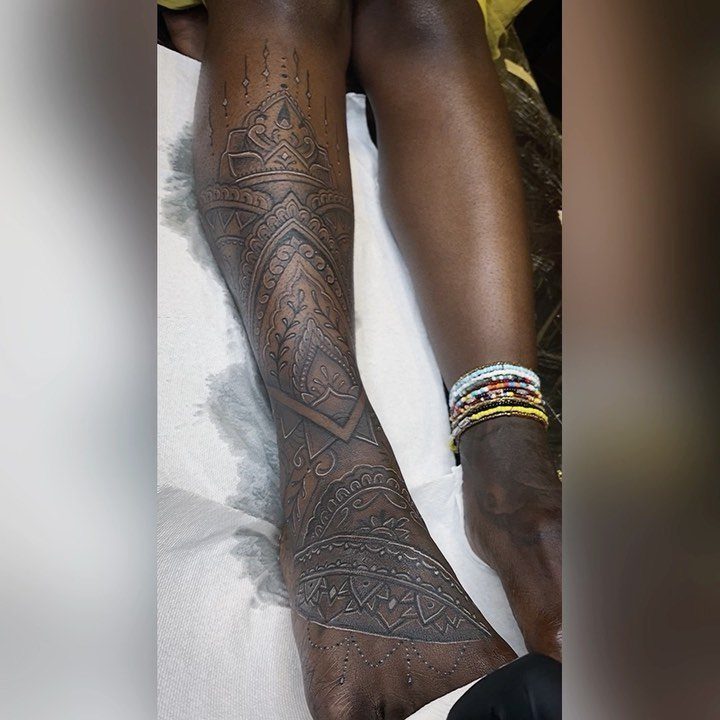
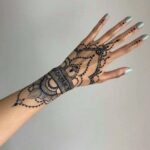
Dark brown ink in ornamental henna-inspired patterns wraps the ankle and calf in a way that looks intricate up close but still reads as a single design from farther away.
The warm tone suits dark skin because it echoes natural undertones rather than sitting in sharp contrast.
Geometric lace, mandalas and dotwork all fit this style. The patterns can be symmetrical or asymmetrical depending on how you want the piece to flow around the leg.
This placement works well if you want something that shows in sandals but hides under pants when needed. The ankle has less fat cushion than the thigh, so expect moderate pain during the session.
7. Minimalist Fine-Line Face Tattoo
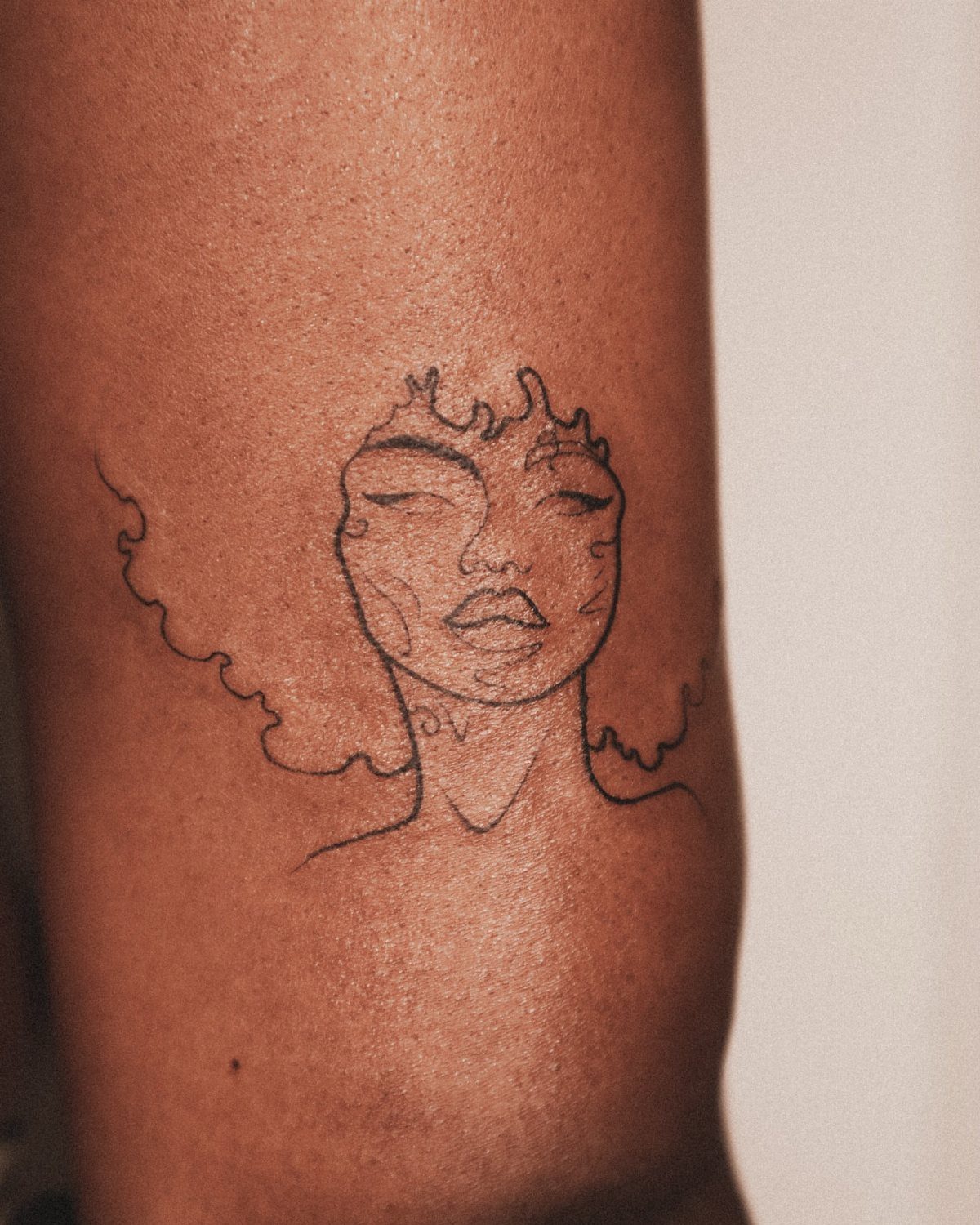
Fine black lines form a continuous single-line portrait, the kind where the artist never lifts the needle, and the result reads as both a face and an abstract shape depending on how close you stand.
On dark skin, black ink gives you the contrast you need for thin lines to stay visible.
This style loses detail fast if the lines are too fine or too close together, so ask your artist to keep spacing wide enough that the lines won’t blur into each other as the tattoo settles.
Fine-line portraits like this stay legible because each feature has enough space to hold its shape. Think through that before you commit.
Choosing the Right Colors
Dark skin changes how ink reads once it heals.
Your skin tone acts like a filter over the pigment, so lighter colors lose intensity and can disappear almost entirely. Yellow, pale pink and light green fade into the background because the skin tone sits darker than the ink.
Reds and dark blues hold contrast better, but avoid using red as a solid block. It works better as fill where shading can give it depth.
If you want a tattoo with multiple colors, ask your artist to test the palette on a small area first.
Some artists keep a photo record of healed work on different skin tones, and that gives you a realistic preview of how saturated the colors will stay over time.
Muted tones can still look good, but plan for them to read softer than they appear in the stencil.
Finding the Right Artist
Start by looking at portfolios that show healed tattoos on dark skin, not just fresh work.
Ink settles differently depending on skin tone, and a healed photo tells you whether an artist knows how to adjust saturation and line weight to keep the design readable.
When their portfolio skips darker tones, send a message and ask what else they’ve done.
Some artists skip posting those photos because darker skin makes it harder to capture detail in a shot, even when the tattoo itself looks sharp in person.
Experience matters. Artists who have been working for years have likely tattooed a range of skin tones and can show you how their pieces hold up long-term.
Tattooing darker skin with color is truly not impossible. It just requires your artist to be knowledgeable about working with darker skin — specifically, how to identify undertones within darker skin tones and adapt their techniques to accommodate the many different skin tones that exist.
— Allure
Tattoo Aftercare
Wash the tattoo with fragrance-free antibacterial soap and pat it dry.
Plain lotion works, or jojoba if you want something closer to what skin already makes. Heavy ointments trap bacteria and can slow healing, so stick with something light.
Avoid products with fragrance. They irritate fresh skin and can pull ink out before it sets.
Once the tattoo heals, keep moisturizing.
Shea butter, coconut oil and anything with vitamin E all help the color hold and the skin stay soft. Dry skin dulls the color and makes fine lines look faded.
Peeling is normal.
Let it fall off on its own. Picking at it can pull out ink and leave gaps in the design.
Frequently Asked Questions
What colors show up best on dark skin?
Black, dark blue, royal blue, emerald green, rich purple, and saturated reds and oranges all show up clearly on dark skin because they sit in strong contrast against your natural tone.
Pale pink, yellow and light green need serious saturation or bold outlines to register at all. Once healed, lighter ink reads through your natural pigment and drops a few shades.
What to cover up a dark tattoo with?
A larger design with bold colors and black outlines works best because it can sit over the old tattoo and give the artist room to hide what’s underneath.
If the original tattoo is too dark, you can fade it first with a few laser sessions, then cover it with a new piece that has enough contrast to stay readable.
Black highlights or a black outline around the old design can also help blend it into a new pattern without full removal.
Is it harder to tattoo dark skin?
The real variable is whether your artist knows how to pack color and adjust line work for high contrast on deeper tones.
Dark skin can actually take less ink because the contrast between the black and your natural tone makes details visible without heavy shading. Ask to see healed photos on clients with similar skin tones before you book.